SKF NOTE: Here’s a recent SOS from Katrina Chester and Tony Cruz. They are working on a Gary Chester documentary. In this video they are asking all of us to consider letting Katrina and Tony have access to any Gary Chester memorabilia you have.
I’ve known and worked a bit with these two. Excellent people in the midst of important work. For what it’s worth, please help then if you can.
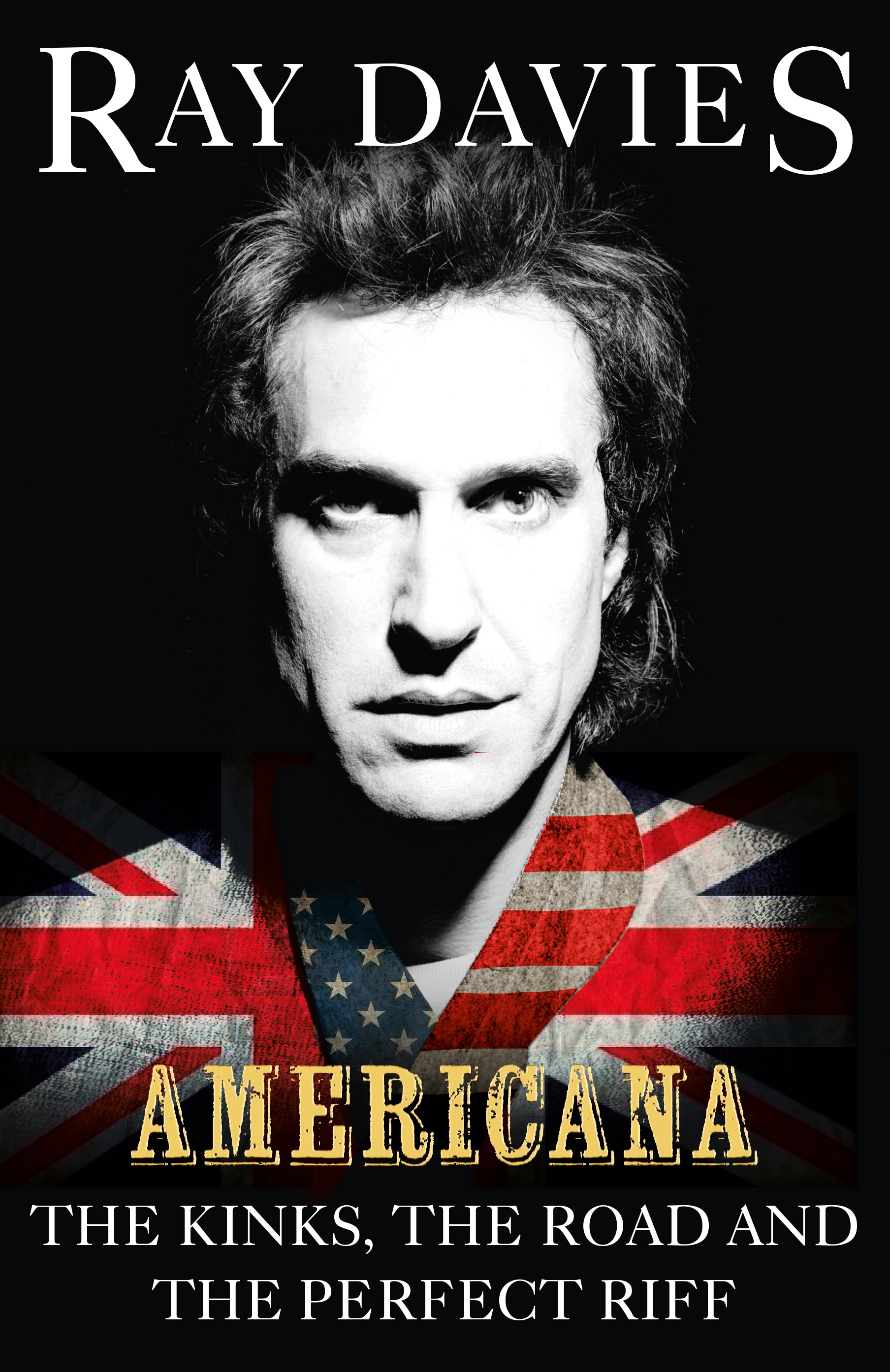
SKF NOTE: Last year I read and very much enjoyed Ray Davies’s autobiography, Americana: The Kinks, the Riff, the Road: The Story. The book tells the stories of Ray Davies rebuilding his life, musical and personal, post-The Kinks.
In this pull quote from the book, Davies touches on a common musician’s life theme: how a musician, if lucky enough, finds a home in a great band, where the sum is greater than the individual players. And how that same musician will forever miss that band, rough edges and all.
The original Kinks band was never renowned for its great individual players. My brother, Dave, was an innovative and powerful guitar player, while I was a fair-to-middling pianist, guitar player, and singer. Drummer Mick Avory seemed to slot into Pete Quaife, who had a certain flair on the bass, but none of use were what could be considered virtuoso musicians. When we came together though, we were a great band. The players on my new demo songs played professionally, but they seemed too perfect. I was longing for those happy mistakes, those errors that make a band unique.
SKF NOTE: Here’s Neil Peart in 1986 answering my questions about his influence on drummers. Here’s the back story to our interview which appeared, in part, in Modern Drummer’s 10th Anniversary Issue.
Scott K Fish: Ten years ago you’d been with Rush for one year. Did you ever believe or feel that you’d be such a drumming influence today?
Neil Peart: Certainly not. I was just trying to be good, really. I think it’s common to alot of people, probably, that I had a very humble opinion of my own abilities. As far as I was concerned I was just trying to play in the big leagues. I certainly didn’t have that high an opinion of myself, especially then.
The aim for me was to try to get good, and to try to get as good as the people who I admired, and who I learned from.
So it was a process of just learning, really, and, as I said, the only standard I was working towards was a good professional standard. I certainly wasn’t trying to prove myself to be Mister Bigshot in the world or anything.
SKF: Do you remember when you first realized that alot of people were listening to you?
NP: Yeah. It was the first time I was ever mentioned in a Modern Drummer Readers Poll. When I first heard about that it spun me around. I just hadn’t expected that kind of respect of my peers. It came totally unexpectedly and totally out-of-the-blue. It unbalanced me. I think I wrote about it in the magazine in a subsequent letter; that instead of boosting my confidence in myself, it actually undermined it.
We happened to be in England on tour at the time when I heard that I was in the poll. The next gig we did I remember was in Glasgow, and I was onstage the whole night feeling like such a fraud. And every tiny little inaccuracy that I committed, or any small error, suddenly seemed gigantic in my mind.
I felt like I was cheating everyone; that any drummers sitting out there who had voted for me — they would think I was a fraud.
SKF NOTE: I love Gene Krupa’s playing in all settings, but I hold a special place in my heart for his small group drumming. Here’s a familiar swing era tune, “Stompin’ at the Savoy,” with very musical playing by Krupa in a trio of tenor sax, piano, and drums. Neat, swinging arrangement. And I love the sound here of Krupa’s calfskin drums. Can’t beat it. (No pun intended.)
This is my digitized copy of a cut-out cassette I bought many years ago. Krupa with Teddy Ventura on tenor sax and George Waithers on piano. I’m hearing the music for the first time. Great stuff. I don’t own the copyright to this cut. If the copyright owner would like me to remove this post, I’m happy to do so.
SKF NOTE: Here’s the back story to my interviews with Joe English. In this excerpt, Joe talks about always playing a right-handed drumset without crossing his hands over.
Joe English: I’ve been playing like that all my life. When drummers see me play like that they say, “Oh, you play like Billy Cobham.”
I tell them that I’ve been playing like that since I was 14 when I didn’t even know who Billy Cobham was.
Basically I just play my hi-hat with my left hand, and my snare drum with my right [hand], on a right-handed kit.
When I took those few drum lessons early on people would say, “Match grip? No. You’ve got to use traditional grip and you’ve got to set your drums up like this.”
I said, “No way.”
A lot of people ended up playing like that. Billy Cobham. Lenny White. For me, it’s easier. I can lead with my left or my right — and I don’t have to cross hands.
When I sit down at the table to eat I don’t cross my hands to eat. When I drive I don’t take my right hand and cross it over to the left side of the steering wheel.
It just didn’t make sense to me.
A lot of people come up to me and say, “Man, I’d like to be able to do that.” It’s just as hard for me to switch back to the other way; to hold the sticks with a traditional grip and cross my hands.


 Scott K Fish
You must be logged in to post a comment.