
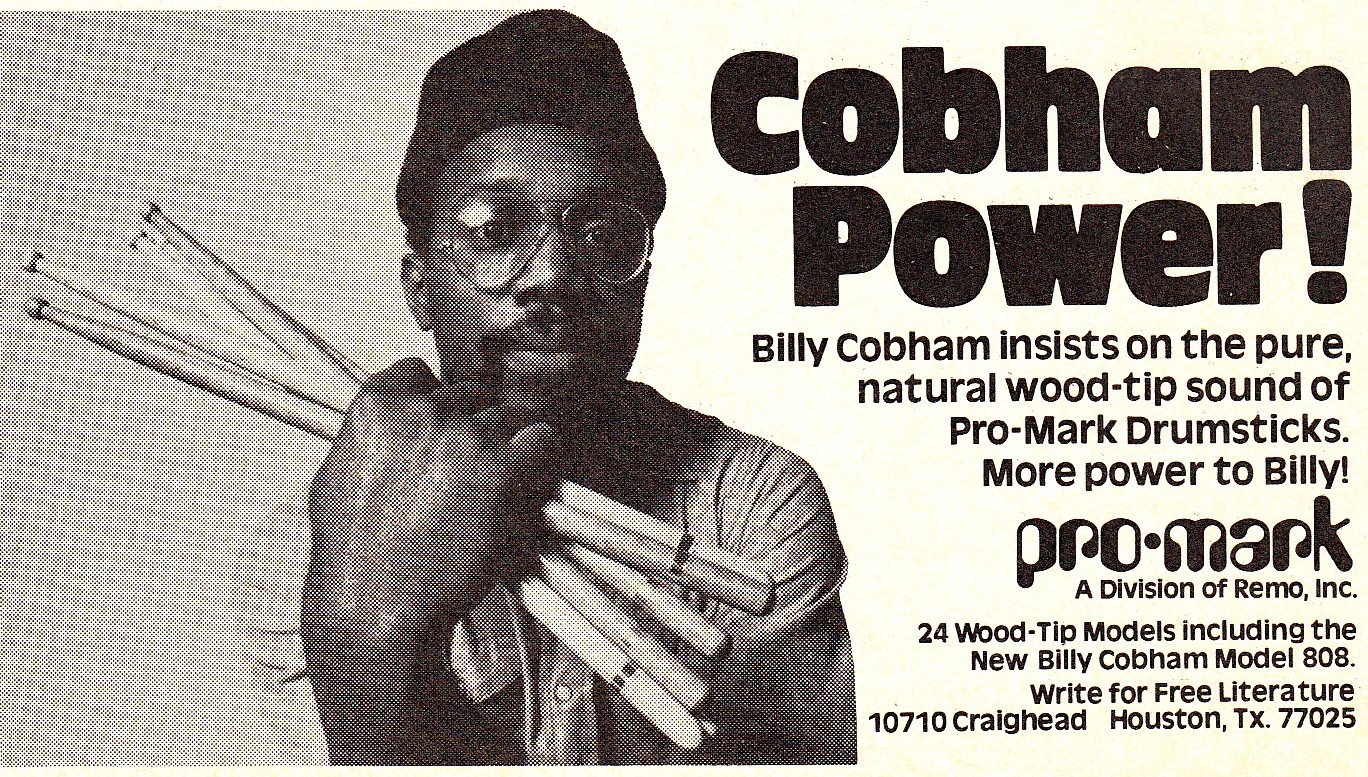
Down Beat May 20, 1976
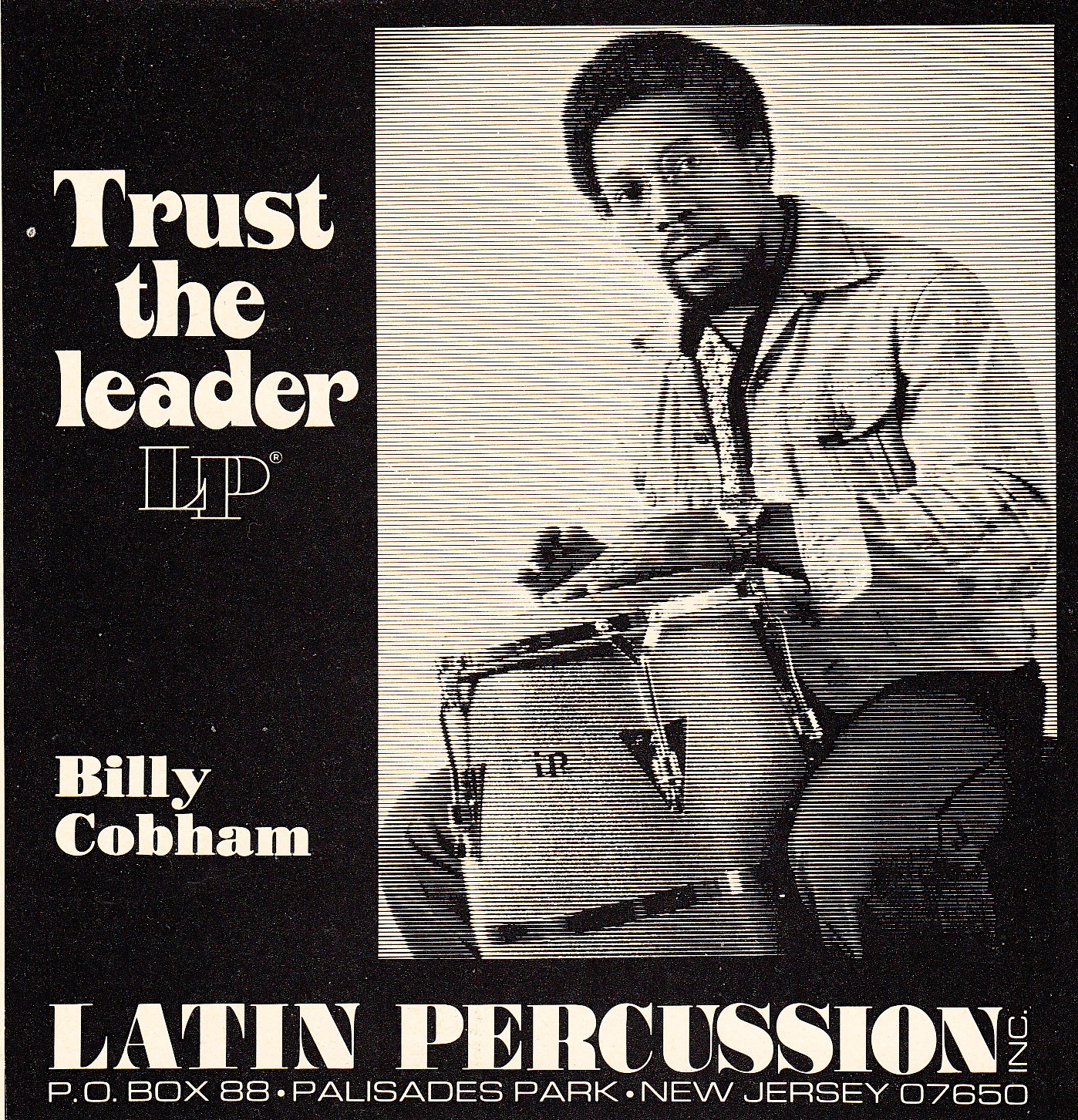
Down Beat December 21, 1972
Down Beat May 20, 1976
Down Beat December 21, 1972
SKF NOTE: The Chicago Daily-Herald asks non-subscribers to take a reader survey in order to read an online a news report on the closing of a renowned store called The Drum Pad. Fair enough. But whatever the Daily-Herald intends for the data it collects, this question is totally skewed against jazz, latin, and classical music. At least! That is, unless people who listen to those music genres are not of interest to the survey maker.


Lee Young
SKF NOTE: I recently found, and started posting here, transcripts of short phone interviews I did in the early 1980’s while gathering data for my five-part Modern Drummer series, The History of Rock Drumming. It may be hard to believe in 2015, but in the early 1980’s there was very little written about the history of Rock drummers.
Who played on hit and/or legendary Rock records was sometimes tough to unravel. Even having a positive drummer’s name wasn’t a guarantee. Sometimes a reliable source would give a positive ID for another drummer playing on the same record. Sometimes more than one drummer did play on the same record (overdubbing.)
Who are the drummers on Motown‘s records? That was the biggest mystery of all. The top Motown drummers: Benny Benjamin, Pistol Allen, Uriel Jones — were not well known names. Once their names were known it was not easy identifying them on the records. Add to that a handful of studio drummers who said they recorded many Motown sessions — what a tangled web.
Some of the Motown drummer confusion came from Motown‘s way of recording sessions. Some studio drummers, such as Earl Palmer, told me of Motown recording song demos in Los Angeles, and then overdubbing singers or singing groups, and turning out hit records.
In this interview, Lee Young tells me about Motown‘s practice of paying Detroit studio musicians to record “all week long.” Mr. Young, at the time of this interview, was Vice President of Motown‘s Creative Division in Los Angeles. He was also a great drummer and brother to tenor sax giant, Lester Young.
As I’ve said in my other postings from these History of Rock Drumming backgrounder interviews, I don’t know if the info here is new. But I think it should be in the public square if, for no other reason, than serving as a fact-checking source.
You can see in my original typewritten transcript below, I was asking Lee Young “about the Musician’s Union and Motown recording illegally.”) At the risk of making this intro too long, I want to add that I was not playing gotcha with Motown, I wasn’t trying to get anyone in trouble. My goal was simply to identify certain drummers who left an indelible mark in Rock drumming history.
Lee Young: I can give you this much information: The reason Motown got away with something like that is because they were in Detroit. The same rules didn’t apply in Detroit as they did in New York or Los Angeles because in a city like that, they’re so glad to have people to record.
They [Motown] used to put musicians on salary and let them record all week long. You’re not allowed to do that, really. Because you pay with three-hour sessions. Three hours constitutes a session.
You couldn’t do it in any other place, but Motown could do it in Detroit because they were bringing something to Detroit. They were bringing employment to people, I guess. So I think the union looked the other way.
Each jurisdiction will let things go on in their area that, if the National office ever found out about it, they’d come down on them. But nobody ever really found out about this until after they [Motown] became successful.
Sure, many musicians have really squawked about it, but they made the deal at the time because they didn’t have anything better to do.
Scott K Fish: It was a steady gig?
LY: It was a steady gig. See, they [Motown] were playing them [the studio musicians] like $125.00 a week, but they would record every day.
SKF: So it was like a 9-to-5 job for them?
LY: It was. It was. See, it was great for them because they were getting this bread. But, see, you wouldn’t have been able to do that here [Los Angeles] or [in] New York or Chicago. So I think it was like one hand washes the other, really. They [Motown] were fortunate enough…. Because they would not have been able to get started, really, if they had not been able to do that. They just stayed in the studio around the clock, seven days a week.
The musicians knew what they were doing because they go their bread. Everybody knew what they were doing. It was not a viscious thing.
They do that now to a degree. They’ll make demos now…. They have a demo scale at the union, and once [a demo] became a record, if they sell the master [tape], then you have to go back and pay them full scale.
That goes on now all over.

Scott K Fish Lee Young transcript page 1

Scott K Fish Lee Young transcript page 2
— end —
SKF NOTE: Musical. Fun to watch. Fun to hear. Thank you, Niels Myrner

Brian Auger standing
SKF NOTE: Yesterday, Brian Auger‘s statement below caught my eye. I confess I’m not familiar with Brian Auger’s music. Yes, I remember his name while growing up. But I never bought his music. Apparently, neither did any of my circle of musician friends. That’s fine. That’s what makes horse racing.
Two things come to mind reading Mr. Auger’s 1973 opinion of Miles Davis‘s music. First, how tough it is for musical pioneers. I too was confused when I first heard Miles’s Bitches Brew and subsequent fusion albums — including On The Corner. But I didn’t dismiss them. Instead, I thought, “I don’t understand this music.” It made no sense that a brilliant musician like Miles Davis would assemble in the recording studio other brilliant musicians — and produce musical garbage.
 Eventually, after listening to all of Miles’s albums leading up to Bitches Brew, after reading interviews with Miles, other musicians on the dates, producer Teo Macero, and bassist/producer Bill Laswell — I had a much better sense of the music, and like it very much.
Maybe Brian Auger had a similar experience.
Finally, Mr. Auger seems to skip right over Miles’s Second Great Quintet. And I wonder if, when this interview took place, he wasn’t familiar with the group. Or did he not like the Second Great Quintet’s music either?
Brian Auger: Now when it comes to Miles — Miles is always Miles. I really respect the guy. The series of albums he did back in the late 50s and early 60s with Gil Evans, were absolute mind blowers. But I just went out and bought On The Corner. I’m afraid he’s going to have to do better than that — that ain’t Miles to me! That was the first time I realized rock had gotten to Miles.
Source: Brian Auger “Ten Years Later”, by Frankie Nemko, October 25, 1973, Down Beat.

Life Beyond the Cymbals
A Blog about Music and Popular Culture
Online Drum Tracks | Drum Recording | Remote Session Drumming | Pro Session Drummer
Life Beyond the Cymbals
Writing About and Reviewing Classical Music and Jazz
Life Beyond the Cymbals
A Drummer's Look at Drums and Drumming
 Scott K Fish
You must be logged in to post a comment.