Quest to make drum set not sound like one
By ROBIN CAUDELL Press-Republican | Posted: Wednesday, September 30, 2015 5:20 pm
UPPER JAY/WHALLONSBURG — Daniel Freedman absorbed the art of drumming from the hands of masters, so it’s little wonder he’s considered one of the mercurial rhythm changers of jazz today.
“My father took me to hear Art Blakey when I was young,” said Freedman….
“A lot of these guys were friends of his. My uncle was a great guitar player. I heard the stories and legends. As a grown man now, I look back and have more appreciation for that.”
At LaGuardia High School, he learned drumming fundamentals from jazz royalty: Max Roach, Billy Higgins and Vernel Fournier.
“I grew up being aware of the legacy of Max Roach,” Freedman said.
“Max always stressed focus on composition and being a complete musician. If I saw him, he would ask, ‘How’s your piano playing?’ He was less concerned with specific drumming and technical things and about being an overall musician and composing and being complete.”
….Freedman wishes he had hung out more with [Higgins].
“He stressed don’t be afraid to imitate the masters and to learn and be supportive of the other musicians,” Freedman said. “He talked about listening and using your ears and being supportive. He was one of the most supportive drummers ever.”
Integrity on the drums was Fournier’s edict, and he didn’t suffer slackers gladly.
“Always playing like you mean it,” Freedman said.
“One time I had a lesson with him, and I played something halfway. He yelled at me. He wasn’t kidding around. A lot of the older guys were not playing. It’s hard to be a jazz musician now. It’s always been hard.”
Chick Corea: The evolution of that album [Friends] is simple. It felt so good playing with Eddie Gomez, Steve Gadd, and Joe Farrell on The Mad Hatter that I suggested we do something together — not elaborate, no arrangments. It was done in 3 or 4 days, a month after the album.
Source: What’s New With Chick, by Len Lyons, Musician, Player & Listener, Nov. 1- Dec. 15, 1978.
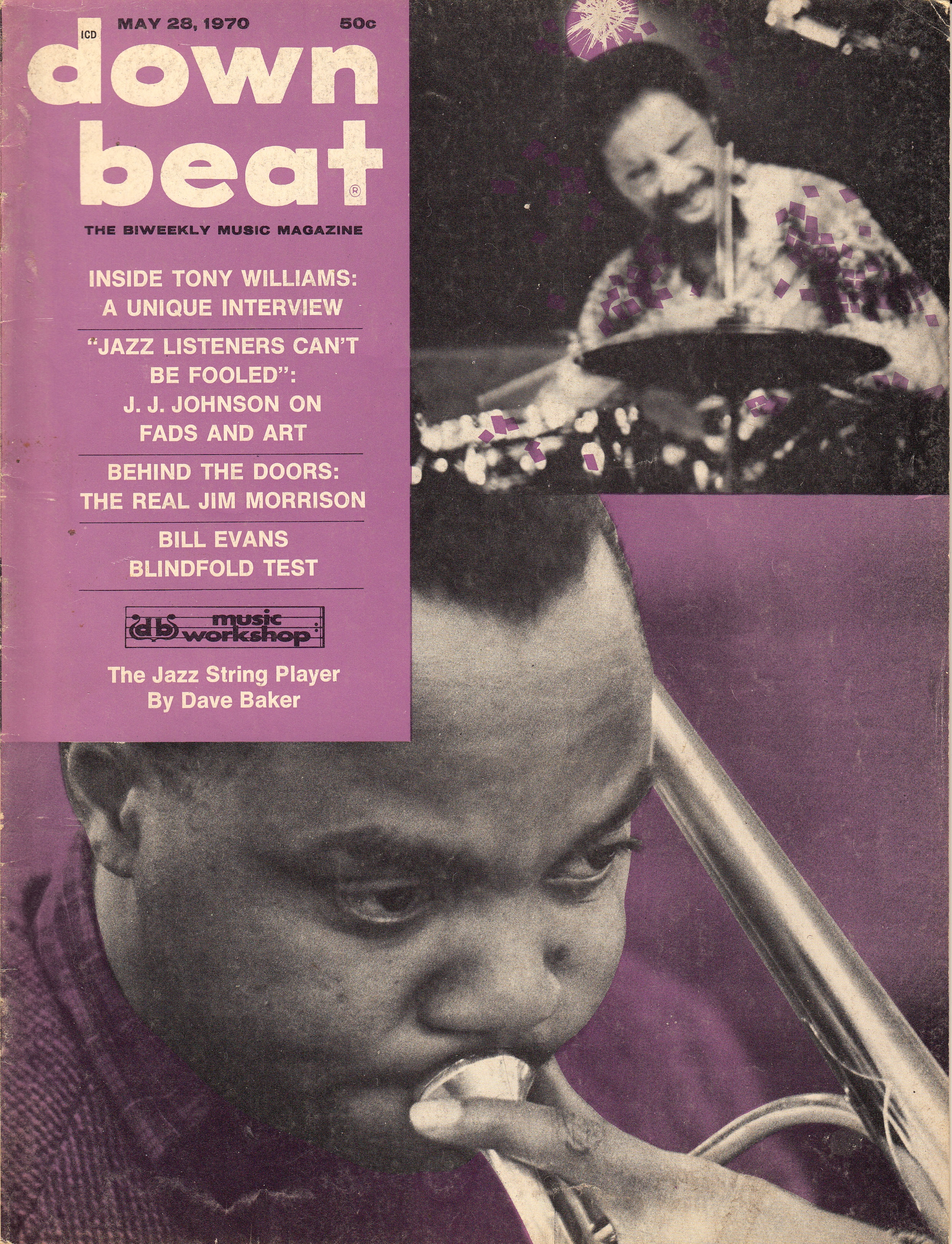
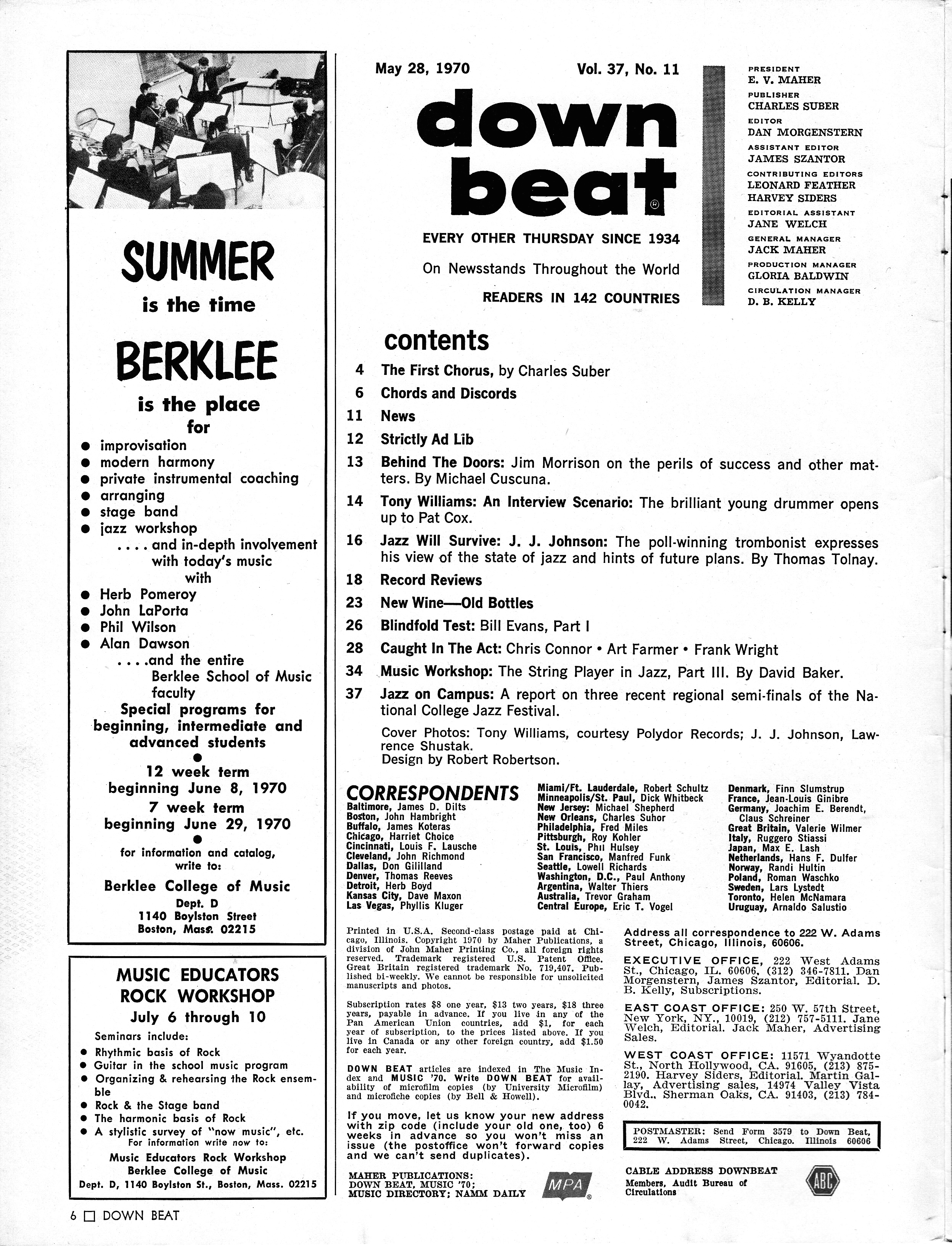
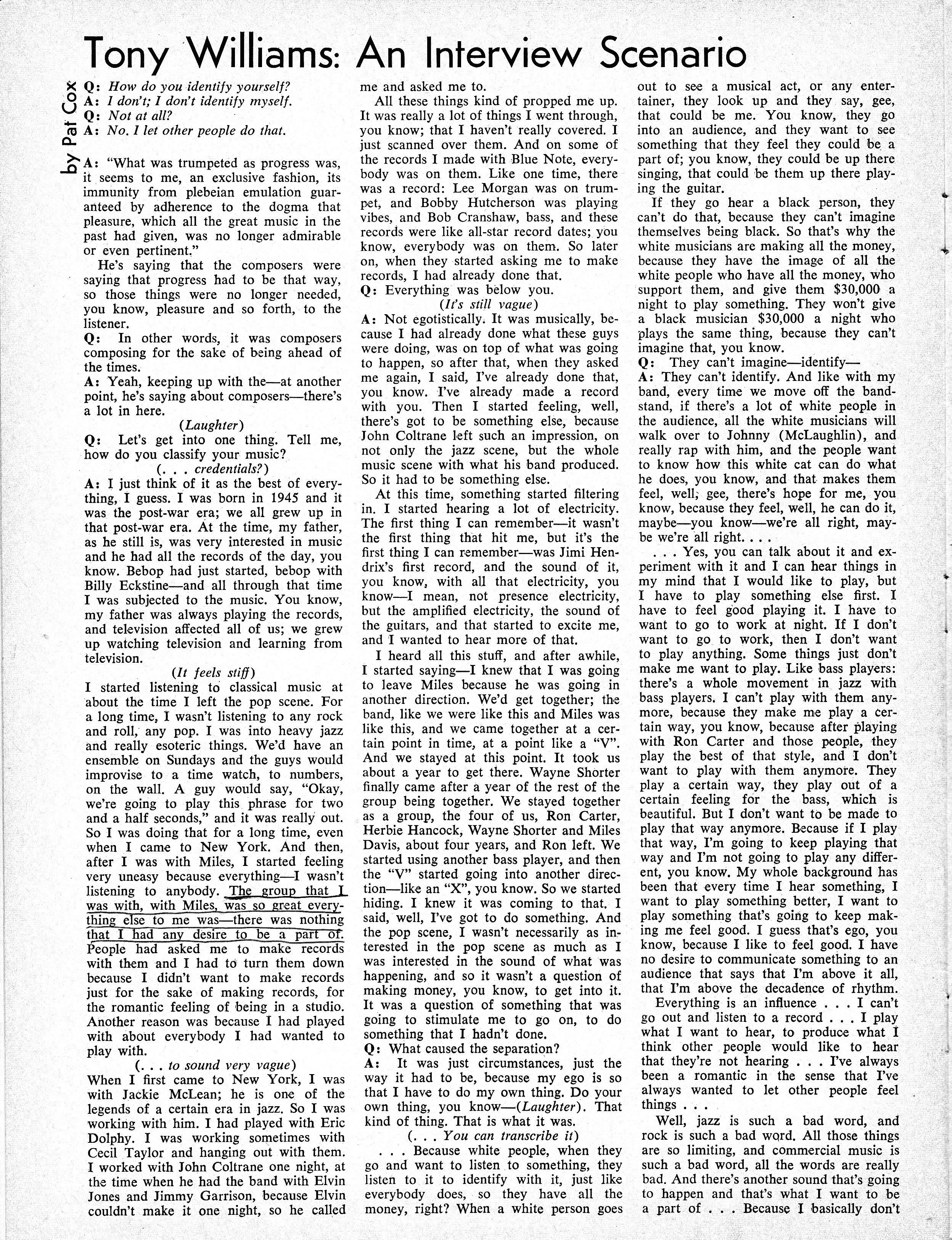
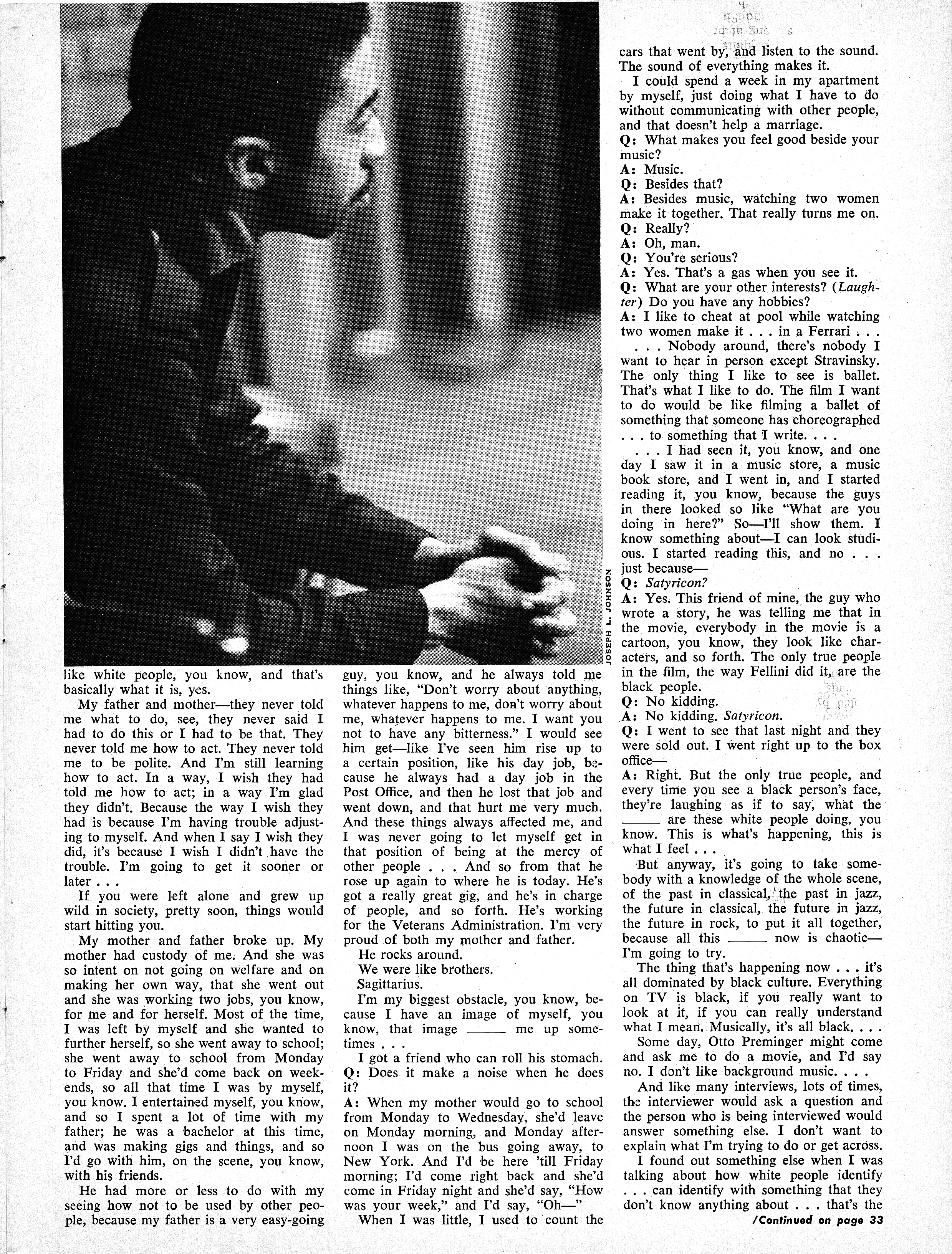
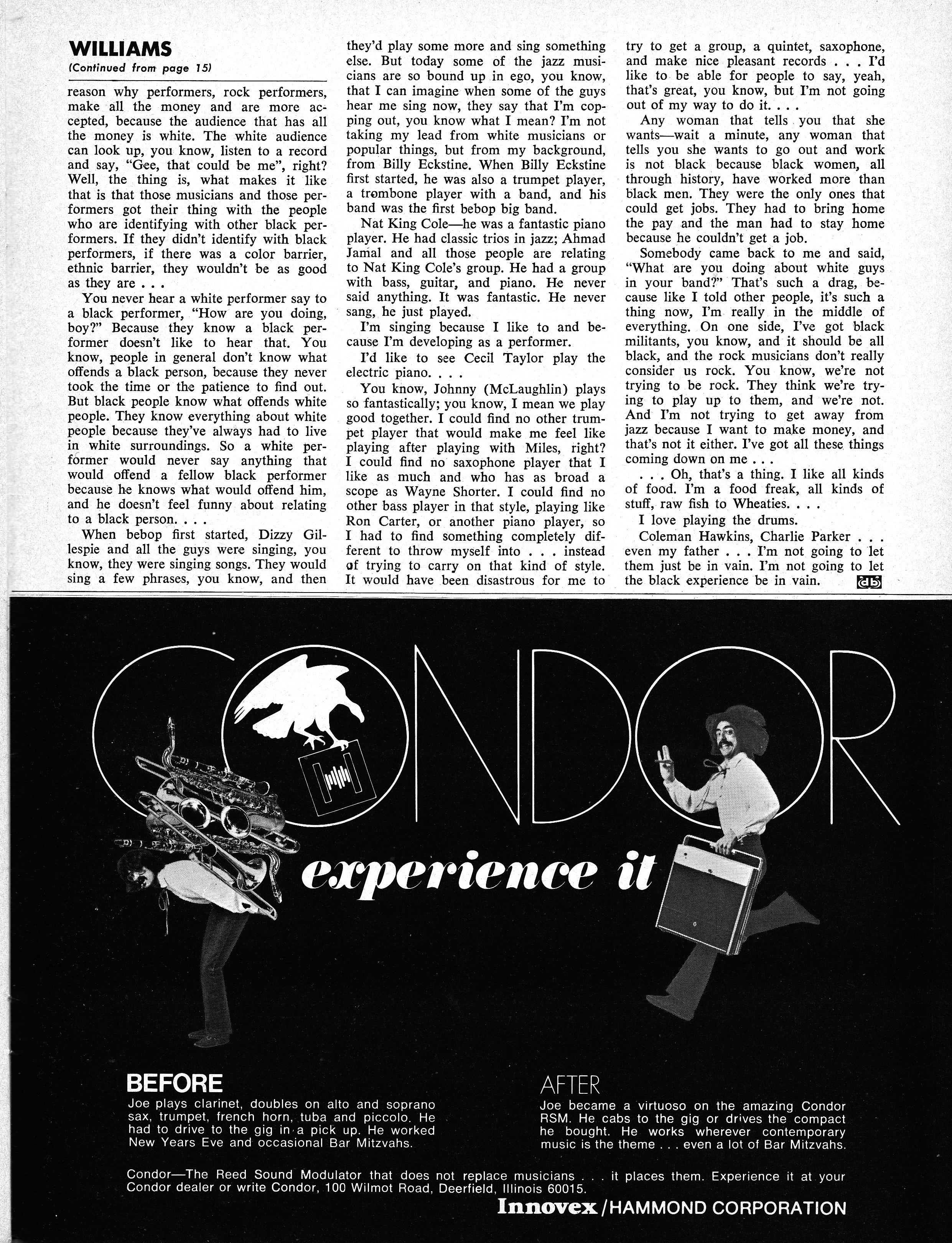
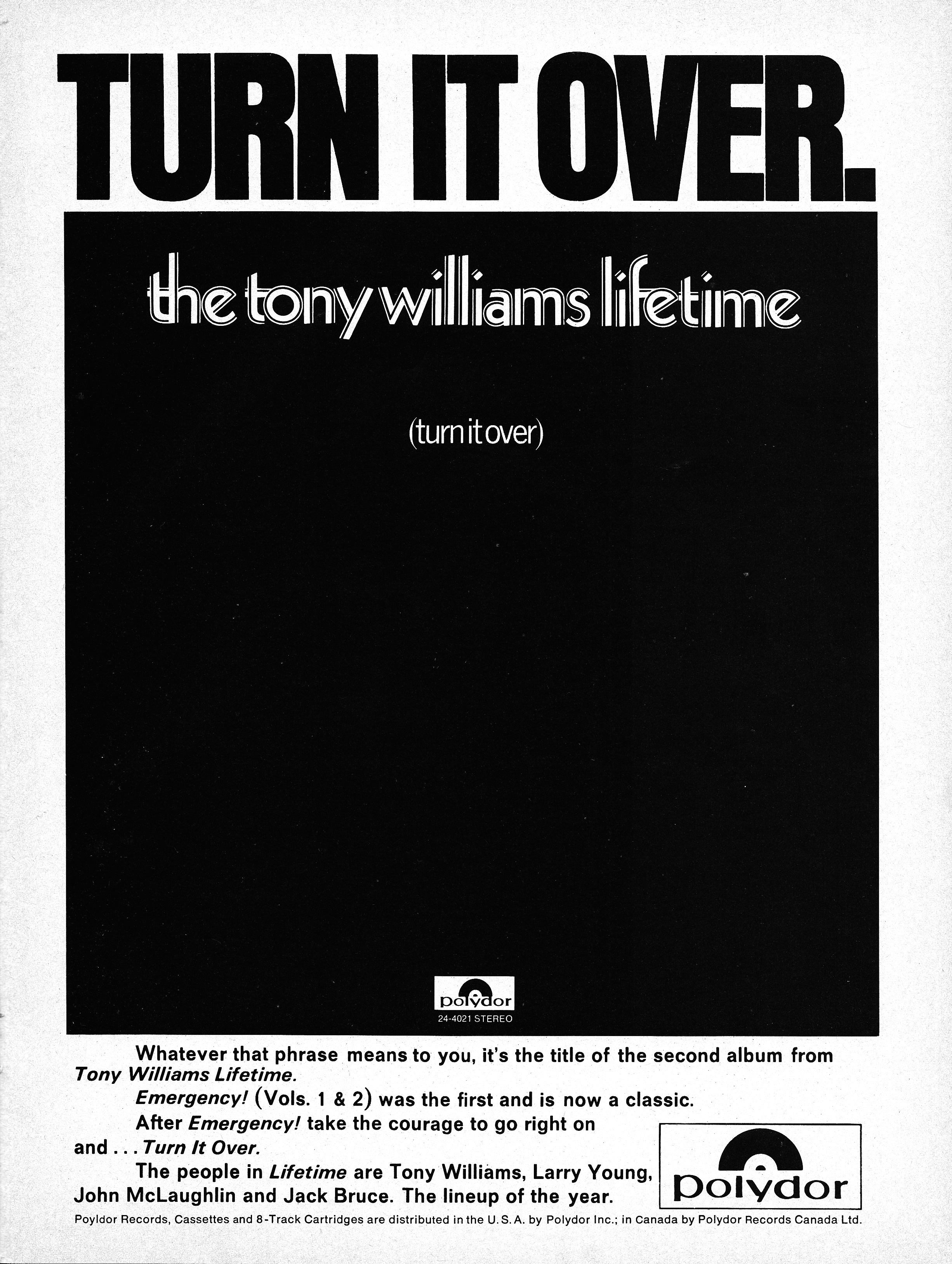
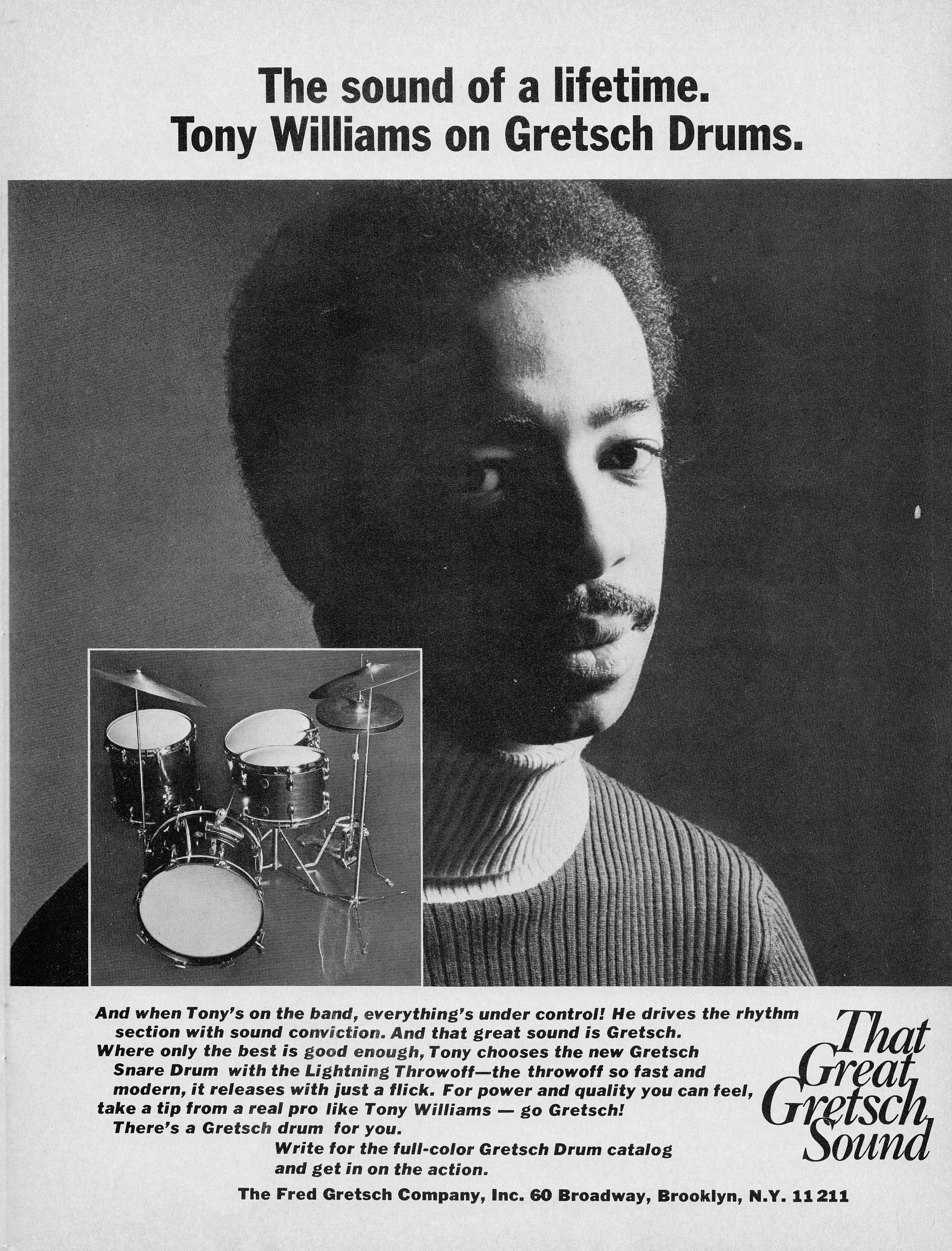
SKF NOTE: A “unique” 1970 Tony Williams interview from Pat Cox, indeed. I’m unable to find this interview online. I do see it cited online in books. Also, I’m including the full-page ads from Tony’s record company and Gretsch drums included in this Down Beat.
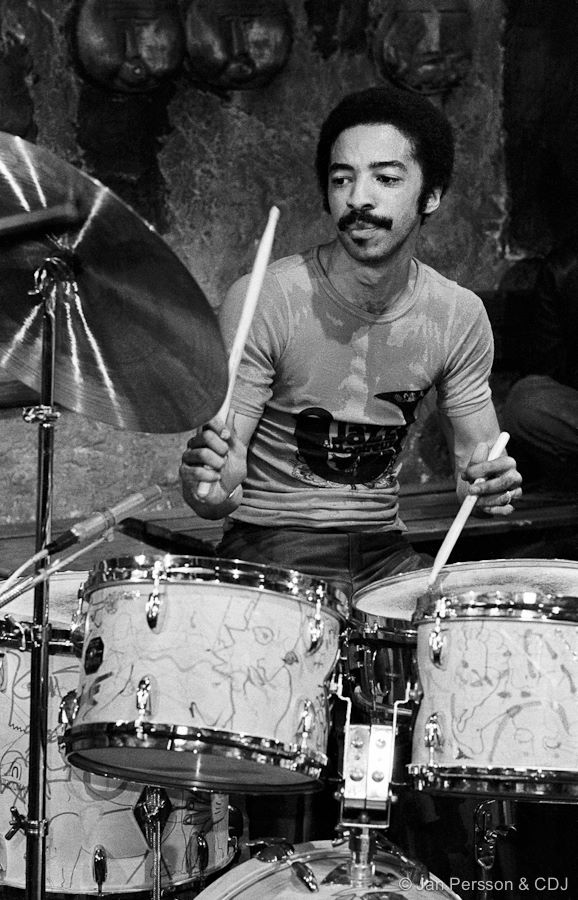
SKF NOTE: My Kingdom for the first person who can tell us the back story to Tony Williams’s drumset in this photo. The photo was posted by Bruce Ditmas on Facebook. Bruce credits it to Norbert Brycht. Thank you everyone.
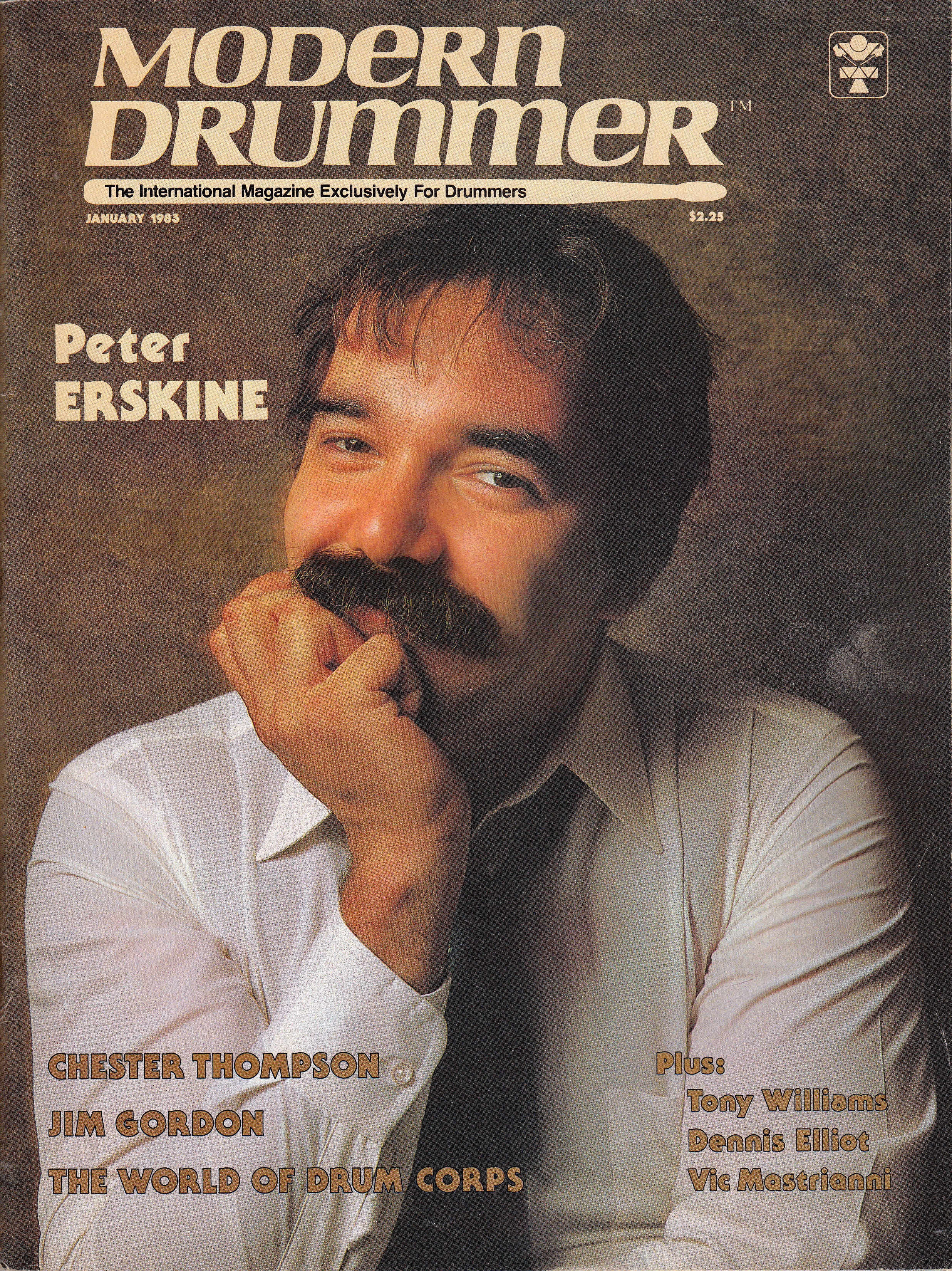
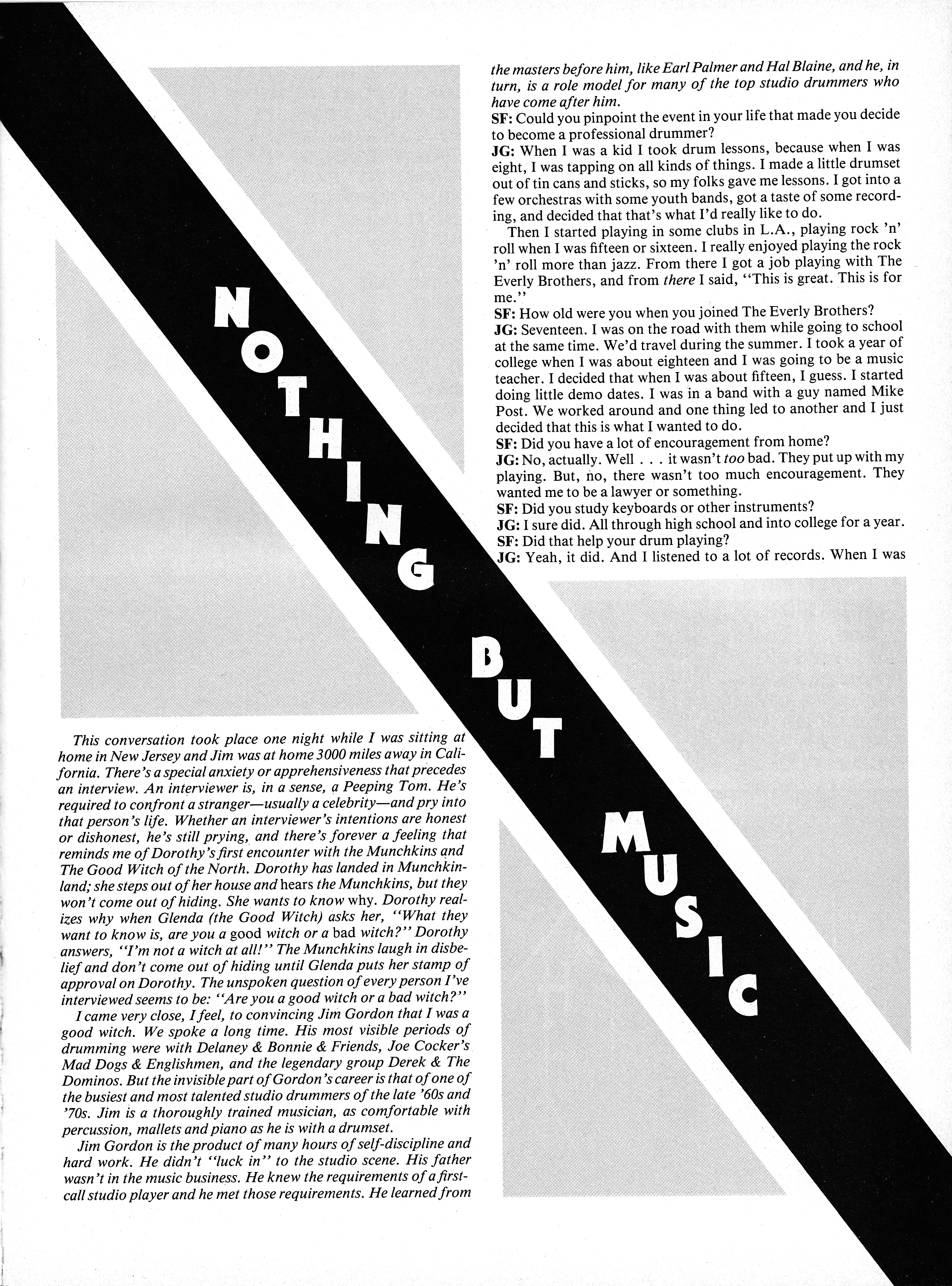
SKF NOTE: When Jim Keltner called me at Modern Drummer to ask if we would be interested in interviewing his friend, Jim Gordon, the answer was an unequivocal yes. It was a time when we MD Editors felt, to an extent, as if we were playing catch up securing interviews with the long line of drummers we felt deserved interviewing. I’ve said it before, but it bears repeating: before MD there were few published indepth interviews with drummers.
What I didn’t write in my 1983 introduction to this interview is that Keltner was asking about MD interest in a Jim Gordon interview for two reasons. Gordon’s career, of course, was enough to warrant a MD feature interview. But Keltner was also asking because he thought a MD interview might raise Gordon’s spirits. Gordon was feeling very low. In fact, five months after this interview was published, Jim Gordon murdered his mother. A very sad, tragic event in a remarkable music career.
Also, MD‘s yes was no guarantee Jim Gordon would say yes. But if MD was interested, then Keltner would float the idea with Gordon.
I don’t remember if I called Jim Gordon the night of this interview or if he called me. What I do remember, vividly, is that it was after normal work hours and I was alone in my room at the rooming house where I lived. I was neither expecting to interview Jim Gordon at this time, nor had I done any preparation for this interview.
But, as I say, there was no guarantee Jim would say yes to an interview. Our phone conversation this night was, in my mind, an introductory phone call. At first, I’m sure my goal was to gain Jim Gordon’s confidence and to set up a later day/time for our interview.
So when Jim was ready for an interview that night, I scrambled, not wanting to tell him I wasn’t ready, only to find out another day he had changed his mind. Fortunately I had a small cassette recorder, a land line telephone, and a Radio Shack suction cup mic on hand. I don’t think I had any blank tapes. Instead, I think I reused a couple of cassettes on hand.
I asked Jim Gordon my first question and then, as I like to do, just listened. Just let him talk and let the tape roll. I based my questions on what I knew about Jim Gordon, and thought of new questions based on the story Jim was telling me. For example, I was familiar with Gary Puckett & the Union Gap, Mike Post, Larry Bunker, and other people and things Jim spoke about.
Finally there was the issue of photos to accompany this feature interview. Again, we ran into whether or not Jim Gordon would be okay with a stranger/photographer taking a series of photos. We were also running up against the clock. If MD was going to publish this interview as scheduled, we needed photos.
Jim Keltner, I believe, suggested his son, Eric, take the photos. Eric was a young guy, but MD had used his photos in the November 1981 interview with his father. So I gave Eric Keltner the green light, Jim Gordon was okay with Eric coming to the house and taking photos, and those are the photos we used.
[SKF NOTE: 6/17/17 – Jim Gordon’s published interview is now available on MD‘s Archive Page.]

 UPPER JAY/WHALLONSBURG — Daniel Freedman absorbed the art of drumming from the hands of masters, so it’s little wonder he’s considered one of the mercurial rhythm changers of jazz today.



 Scott K Fish
You must be logged in to post a comment.