Finding Michael Shrieve’s Press Kit

840000_mike_shrieve_press_kit

SKF NOTE: I have fond memories of the time I spent with Michael Shrieve putting together his Modern Drummer interview. Of all of the drummers I interviewed, Mike Shrieve was immersed in the most varied aspects of drumming. Really, he was fascinated with sound and color and how each, separate and combined, is used for positive goals. He introduced me to the fields of music therapy and color therapy.

Mike Shrieve was also among the first drummers using electronic drums. He was also very familiar with what is now called World Music. And he showed me a common sense idea for setting up my drumset I have used ever since: Where to position your hi-hat and bass drum pedals? First, sit down on your drum stool. Place your feet on the floor naturally. Where do your feet go instinctively? Well, that’s where you put your hi-hat and bass drum pedals.

The challenge interviewing Shrieve was this: I would interview him, he’d talk about his current project or band, and then before his interview was published Michael was on to a new project or band, rendering his interview obsolete. So we would reconvene for an interview update.

Michael introduced me to his albums with percussionist Stomu Yamashta, Steve Winwood, Klaus Schulze, and Al Di Meola. The band, co-found by Shrieve, was called Go. They released a series of wonderful albums Live From Paris (1976) Go (1976) and Go Too (1977).

We finished Shrieve’s MD interview when he had formed Novo Combo — a more pop oriented band. I’ll have to double-check when I find that issue of MD, but I think Shrieve had moved on from Novo Combo by the time his interview was published.

In 1986, Michael’s brother, Kevin, joined Michael and Klaus Schulze on another album, Transfer Station Blue — which I liked very much. Soon after, I lost touch with Michael Shrieve. The next time I saw his name was in 2001 as producer of the Bill Frisell and David Holland and Elvin Jones CD.

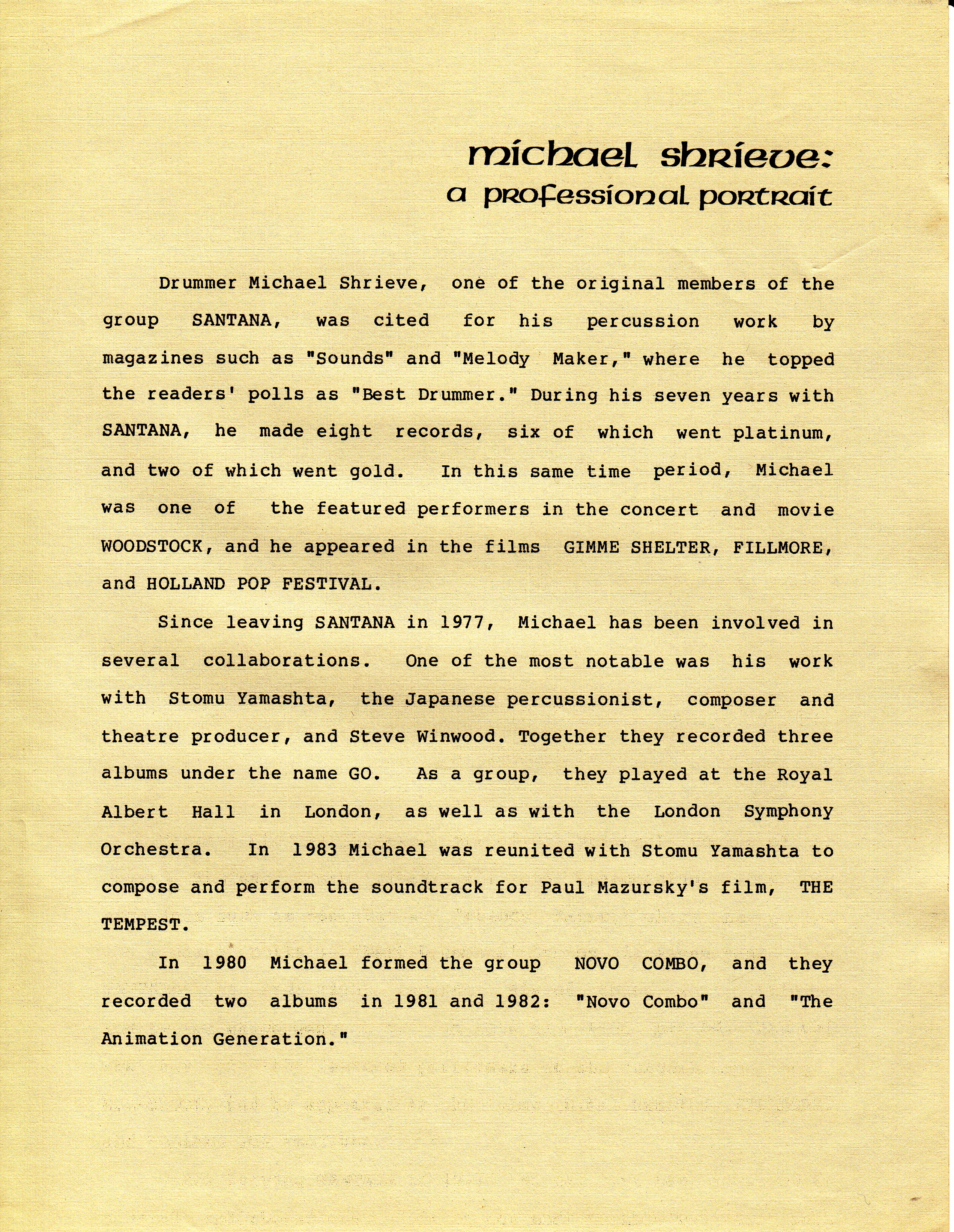
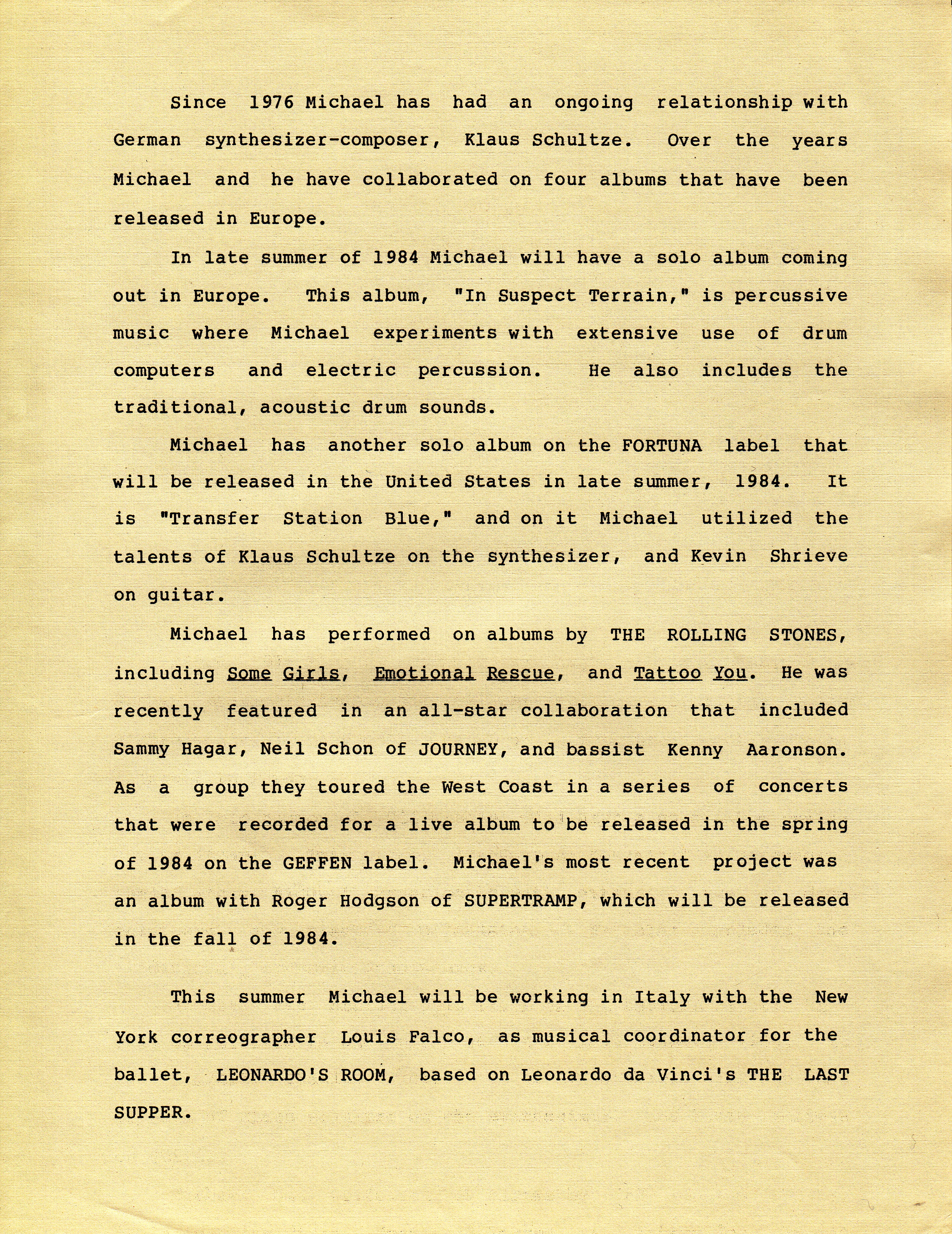
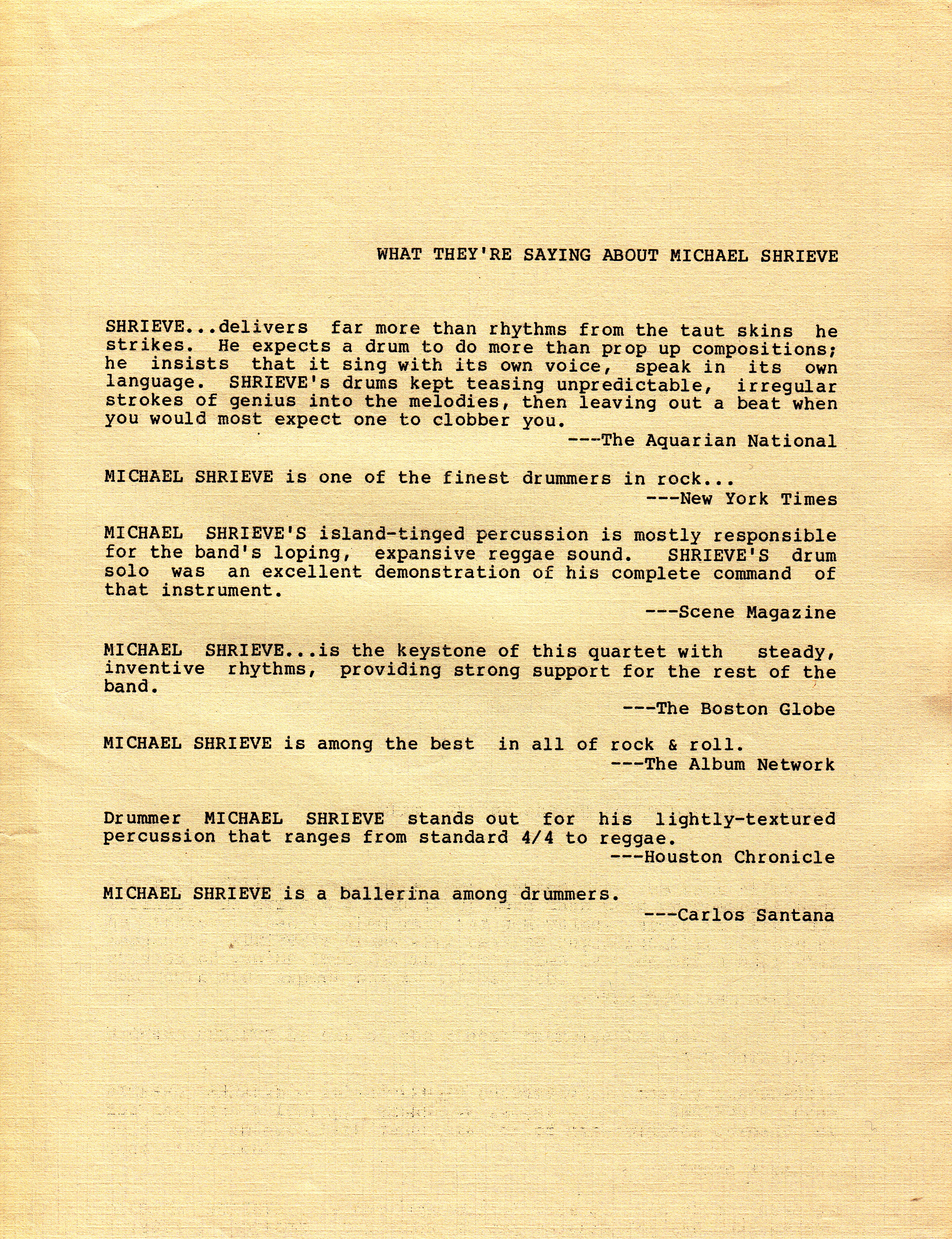
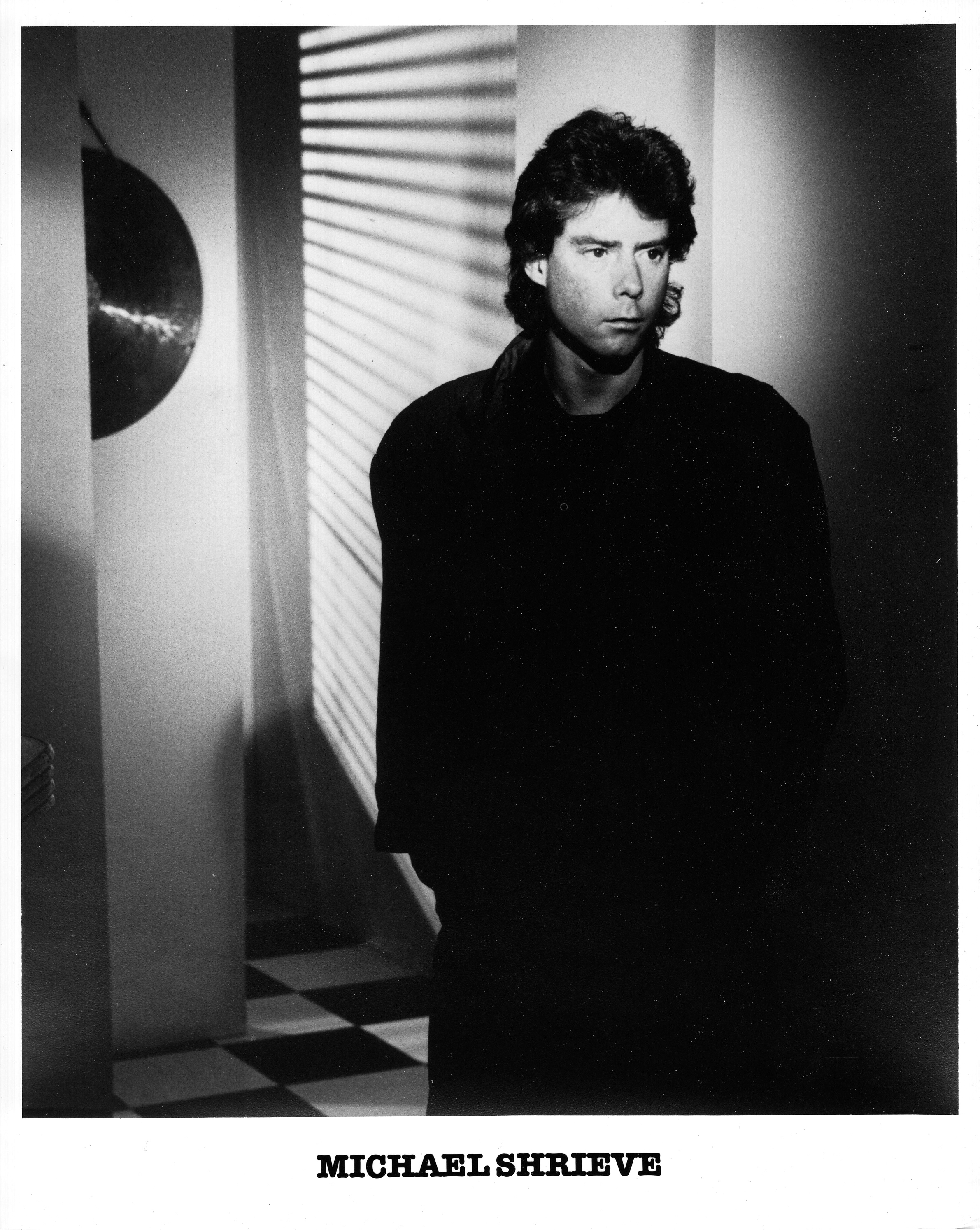
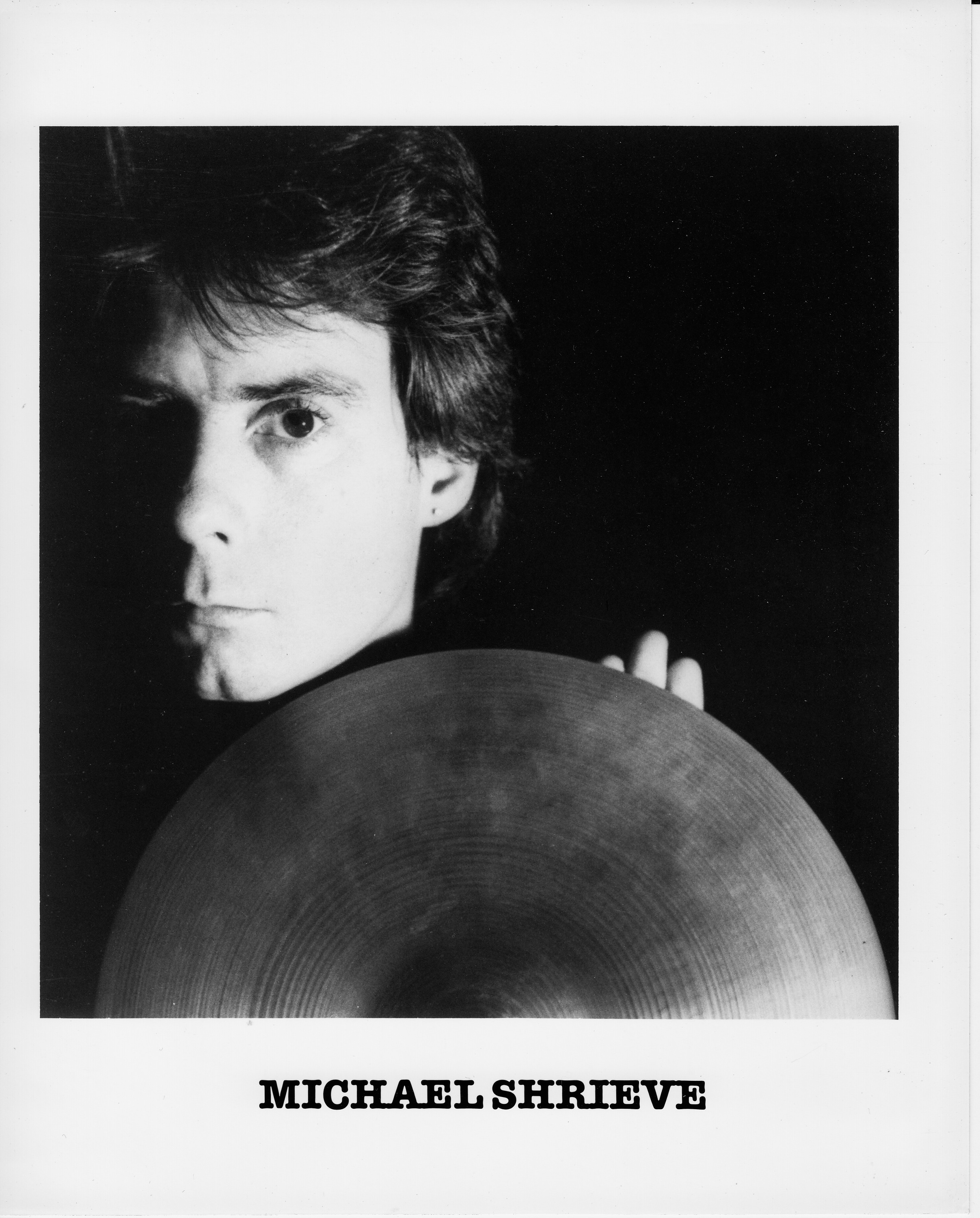
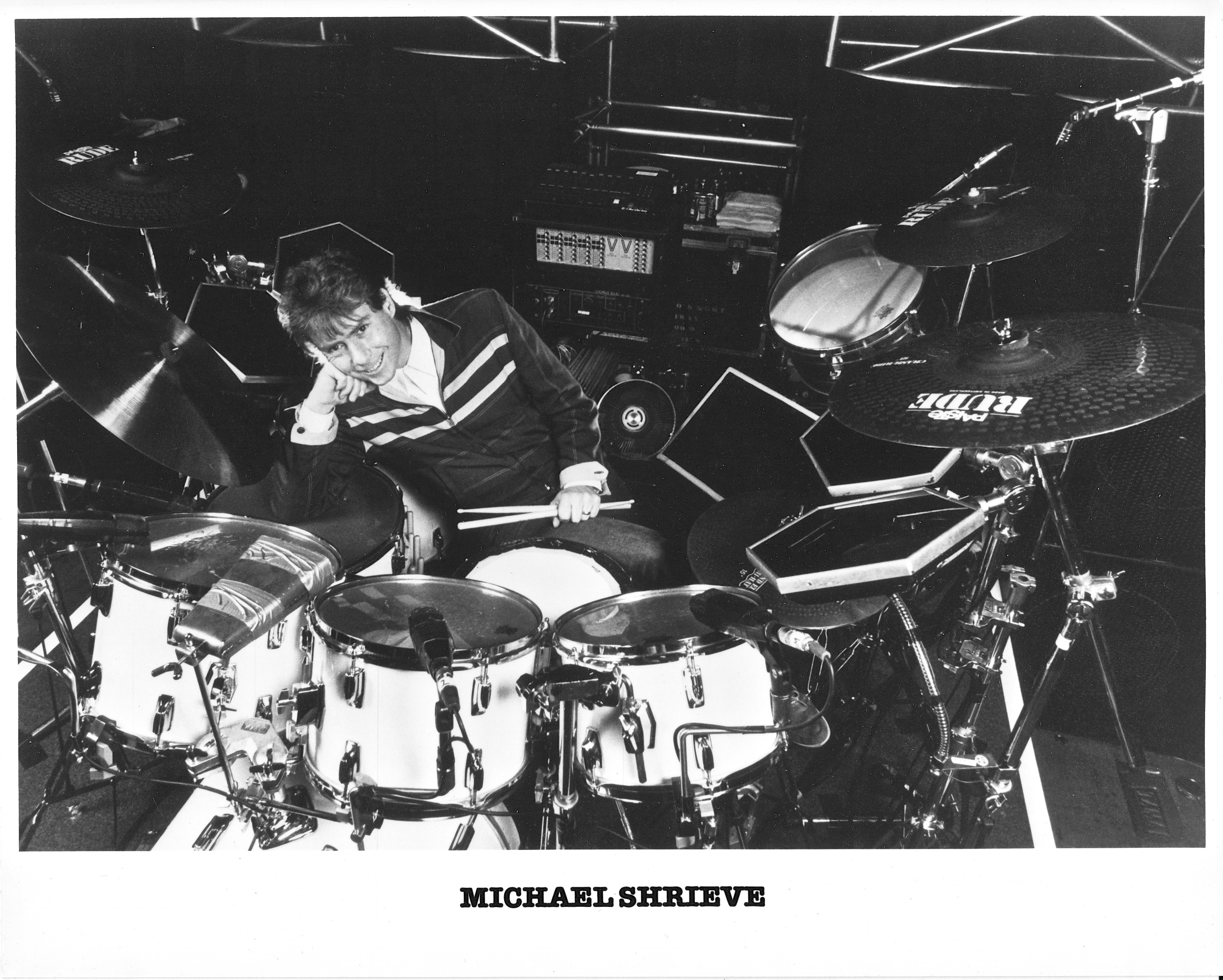
Finally, I came across this Michael Shrieve press kit last week. Three photos and three sheets of backgrounder circa 1983.
840000_mike_shrieve_press_kit_0001

840000_mike_shrieve_press_kit_0002

840000_mike_shrieve_press_kit_0003

840000_mike_shrieve_press_kit_0004

840000_mike_shrieve_press_kit_0005

==========

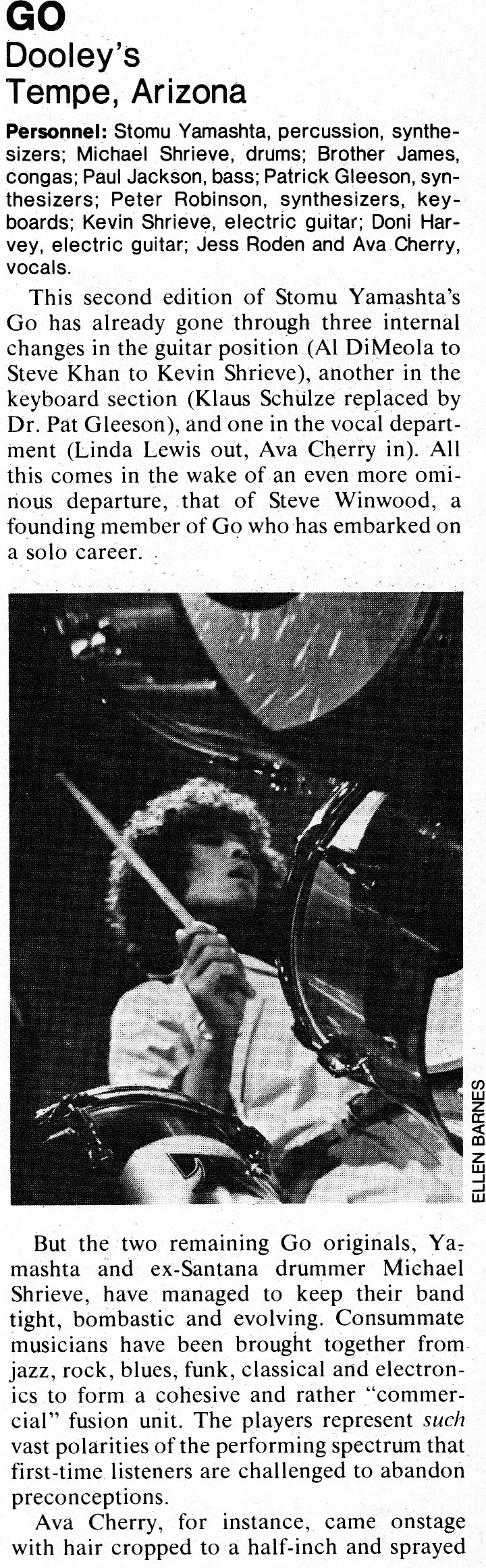
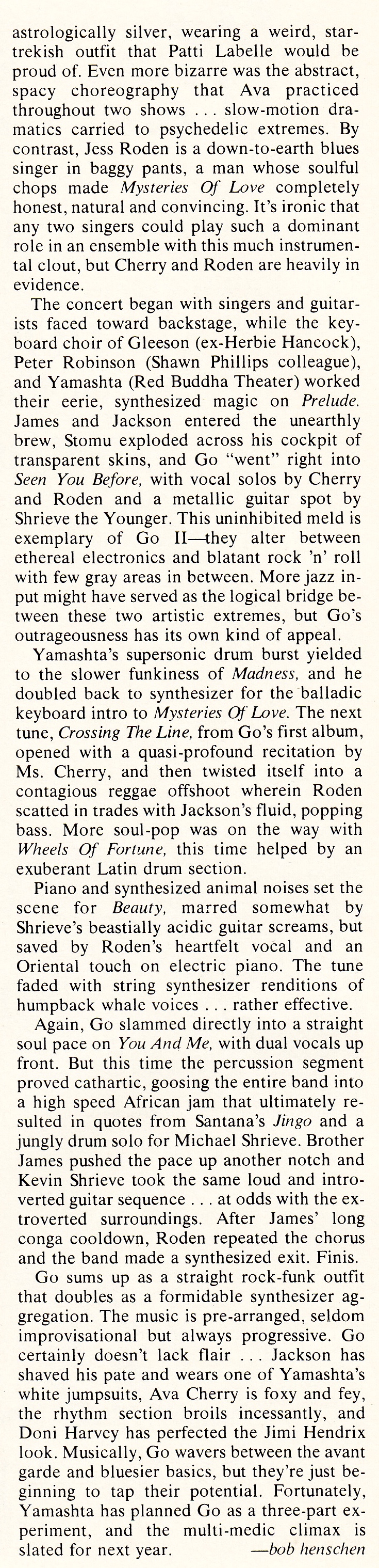
SKF NOTE (11/12/15): I came across this review of GO in concert in the December 15, 1977 Down Beat. This existing Michael Shrieve thread seemed a good place to add the review.
771512_down_beat_0011

771512_down_beat_0012

Posted in SKF Blog | Tagged , , , , , | 3 Comments

Cozy Cole: Chicken One Day, Feathers the Next

SKF NOTE: Cozy Cole was a marvelous drummer. My introduction to his playing was through a CBS imported album I owned called something like, The New York Jazz Scene. It was a collection of late Swing, early BeBop recordings. Cab Calloway‘s Orchestra had two cuts on the album. Both featured drummer Cozy Cole: Ratamacue and Paradiddle. Both performances really impressed me, especially Ratamacue.

I am sorry I missed, that any writer from Modern Drummer missed, interviewing Cozy Cole while he was still alive. I think we must have been focused on interviewing drummers more popular at the time. All MD editors agreed Cozy was deserving of a feature interview, but when? And then Cozy Cole died.

Remember: this was 1981. Long before the internet and blogs. MD‘s editors still had a magazine to publish every month. The contents of those issues demanded our attention first. And, as I’ve written before, MD was a commercial business. The goal was: sell magazines. That wasn’t the only goal. But if we didn’t sell magazines, MD would be out of business.

We thought we would have time to interview Cozy Cole — and we were wrong.

If I had it do all over again? I would have arranged a Cozy interview and worried later about when we would publish it.

Anyway, I ended up being MD‘s unofficial obituary writer. This is what I wrote when Cozy Cole died. I would like to revisit Cozy Cole and put together a piece about his contributions to drumming and to jazz. A couple of weeks ago I sent an email to Bob Breithaupt – a percussion instructor who was friends with Cozy in 1981. I’ll let you know when I hear back from Bob.

810004_cozy_cole_obit_md

810004_cozy_cole_obit_md_0001

Posted in SKF Blog | Tagged , , , , , | 2 Comments

Tommy Aldridge Sonor Ad 1976

SKF NOTE: These days Tommy Aldridge is endorsing Yamaha. I interviewed Tommy for Modern Drummer when he was with Ozzy Osbourne. A very nice guy. Tommy was an intuitive player. That is, he played very, very well — by instinct. So, none of his interview was about what he studied, or who he studied with.

Anyway, I came across this 1976 Sonor ad and thought I’d post it.

762005_tommy_aldridge_sonor_db


Posted in SKF Blog | Tagged , , , , , | Comments Off on Tommy Aldridge Sonor Ad 1976

Meet Don Lamond: Studio Man Supreme (1958)

SKF NOTE: From the March 20, 1958 Down Beat. Interview by Editor Don DeMichael. There may be other Don Lamond interviews, but I can’t remember seeing any. This piece cites interesting history. I knew Lamond played in Woody Herman‘s band. I did not know Lamond replaced Dave Tough.

As of this writing, my favorite Lamond recording is Bobby Darin‘s Beyond the Sea. Many years ago, stuck in traffic at NYC’s George Washington Bridge toll booths, Beyond the Sea came on my car radio. Both the sound of Lamond’s drums and his drum fills blew me away. They still do.

And, of course, this short interview has several Don Lamond pearls of wisdom for drummers, i.e.:

A drummer has to listen to the whole band. When I’m doing a date, particularly a jazz date, I try to get rid of the music as fast as possible. Once it’s memorized, then I can concentrate on what the whole band is doing, and fit in with breaks and things that will add to the arrangement.

582003_don_lamond_db

582003_don_lamond_db_0001

Posted in SKF Blog | Tagged , , , , , , | 1 Comment

Remembering Chico Hamilton

SKF NOTE: As with other drummers, I was hooked on Chico Hamilton‘s playing from the moment I heard him with the Gerry Mulligan/Chet Baker Quartet on Walking Shoes. The piano-less quartet used swinging, methodical arrangements. Chico’s drumming, both accompaniment and soloing, followed the same pattern.

Hamilton is also the first drummer I saw using single-head drums. He said that came about out of necessity during the World War II era.

Mike Dolbear: This single-headed thing evidently came about by accident because during the war he was unable to get calf-skin heads for his drums and if he broke a batter head he would simply replace it with the head on the bottom and this would of course make the drum sound more open. He began to like the sound it gave and once he got together with Gretsch, those were the sort of drums he asked them to make for him albeit with slightly deeper-than-normal shells. Full Story

Modern Drummer: I started that during the war. It was hard to get calf heads, so if I would go through a batter head, I’d replace it with the head from the bottom. I got so used to hearing the sound that way that when Gretsch started making my drums for me, that’s what they made. Full Interview

What I’ve always found more curious than Chico’s single-head drums are the unique dimensions of his tom-toms, custom made for him by Gretsch. If you look close at this Gretsch ad you will see Chico’s toms were made single headed. There are no lug holes drilled for mounting bottom heads. (I believe this is another of photographer Chuck Stewart‘s great series of Gretsch ads.)

If you’ve not heard Chico you’re in for a treat. In addition to his playing with Mulligan and Baker, he led several unique groups of his own.


590309_chico_hamilton_gretsch_ad_db

Posted in SKF Blog | Tagged , , , , | Comments Off on Remembering Chico Hamilton