When The Message Reaches the Heart of the Listener

SKF NOTE: During the 1960’s the word soul was used to define a style of music (soul music), but also to name a quality musician’s either had or didn’t have. Having soul was – and still is – a good quality.

In response to something said in Down Beat, letter writer Frank Jones came up with this thoughtful definition of soul.

“Anytime a musician reaches to the depths of his heart and imparts his message thusly, this is soul. When this message reaches the heart of the listener, this too, is soul.”

Source: Frank Jones of Winnemuccca, NV, Chords and Discords, Down Beat, January 19, 1961

Posted in Drum/Music News | Tagged , , , , , | Leave a comment

Paul Wertico: Hearing Drums as a Free Voice at Age 12

“He can’t explain it. He really has no idea where it came from. Wherever it came from, Paul Wertico was deeply in touch with his muse from the time he picked up drums at age 12. ‘I was hearing the drums as this free voice while everybody else my age was still playing Wipeout.’”

Source: Paul Wertico, Paul Wertico’s Drum Obsession, by Bill Milkowski, Down Beat May 1985

— end —

Posted in Drum/Music News | Tagged , , , , , | Comments Off on Paul Wertico: Hearing Drums as a Free Voice at Age 12

Without Words, Transmit What You Feel to Someone Else

novak_larry“I really think that you can communicate all kinds of feelings to audiences, to people. It can be a real touching human thing. If you can communicate feelings and ideas without words, you can make an impression on people. The idea is to be able to take what you feel and transmit that to someone else.”
Source: Larry Novak, Profile, by Jon Balleras, Down Beat, May 1985 — Photo by James Walker

Posted in SKF Blog | Tagged , , , , , | Leave a comment

Al Jackson Didn’t Do Anything; He Just Played

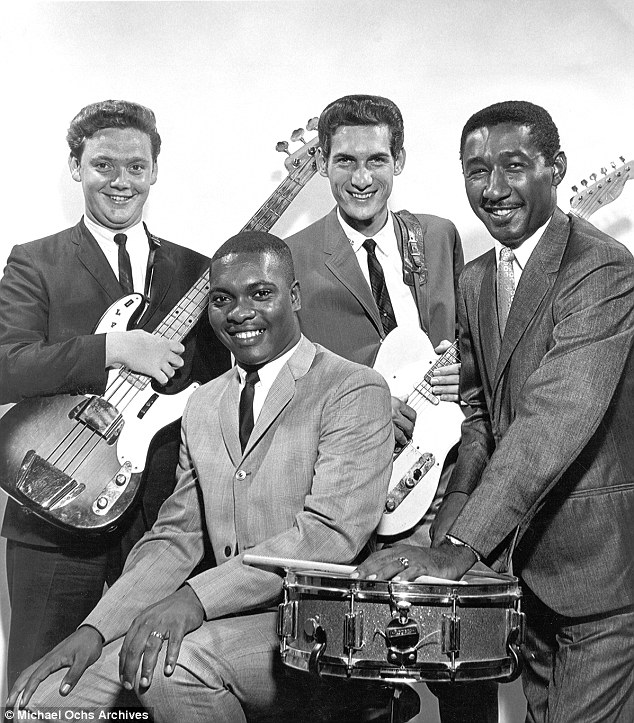
jackson_alSKF NOTE: Music critic, manager, and record producer Jon Landau wrote, ” Al Jackson kept perfect time, played with extraordinary simplicity, was exceptionally powerful, got the toughest sound and left the vocalists with the maximum amount of space in which to do their thing.”
Mr. Landau quoted Jackson as saying, “In some tunes, the straighter you play it, the better. You try to stay out of the way because you are selling the tune itself and not the drummer. He could get fancy — but what would it really matter? You’d be taking away from the tune and the artist. The simpler you keep it, the better.”

Photojournalist Valerie Wilmer wrote a posthumous piece on Al Jackson. In it she spoke with Duck Dunn, a bassist who worked closely wit Jackson on almost all Jackson’s recording and performances.

“I’d go out and I’d play with other drummers, jam, and they’d always ask me, ‘How does Al do this?’ and ‘How does Al do that?’ They wanted to know how he tuned his drums. Other drummers tuned their drums better than Al ever hoped to tune ’em.

“He didn’t do anything, you see. He just played.”

— end —

Posted in SKF Blog | Tagged , , , , , , | Leave a comment

Bill Evans on Commitment, Experience, Dedication

evans_bill

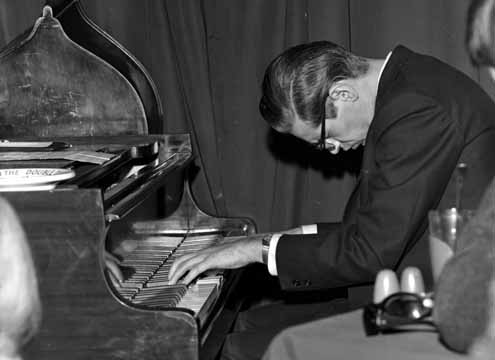
“Anybody who appreciates the commitment, the experience and dedication required for the playing of top flight professional jazz, must realize the tremendous demands on the person playing it. By the same token, the music is sophisticated enough to be a challenge for the audience.

“You cannot, just for the price of a big amplifier and an electric guitar, expect to plumb the depths of music in six months, no matter what your genius. It takes years and years of experience even to scratch the surface of the most elementary kind of music that has any significance.”

Source: Bill Evans Blindfold Test Pt. 2, by Leonard Feather, Down Beat, July 23, 1970 // Bill Evans Photo

Posted in Drum/Music News | Tagged , , , , , | Leave a comment