
SKF NOTE: One of a series of Zildjian brochures from the 1980s, I believe.
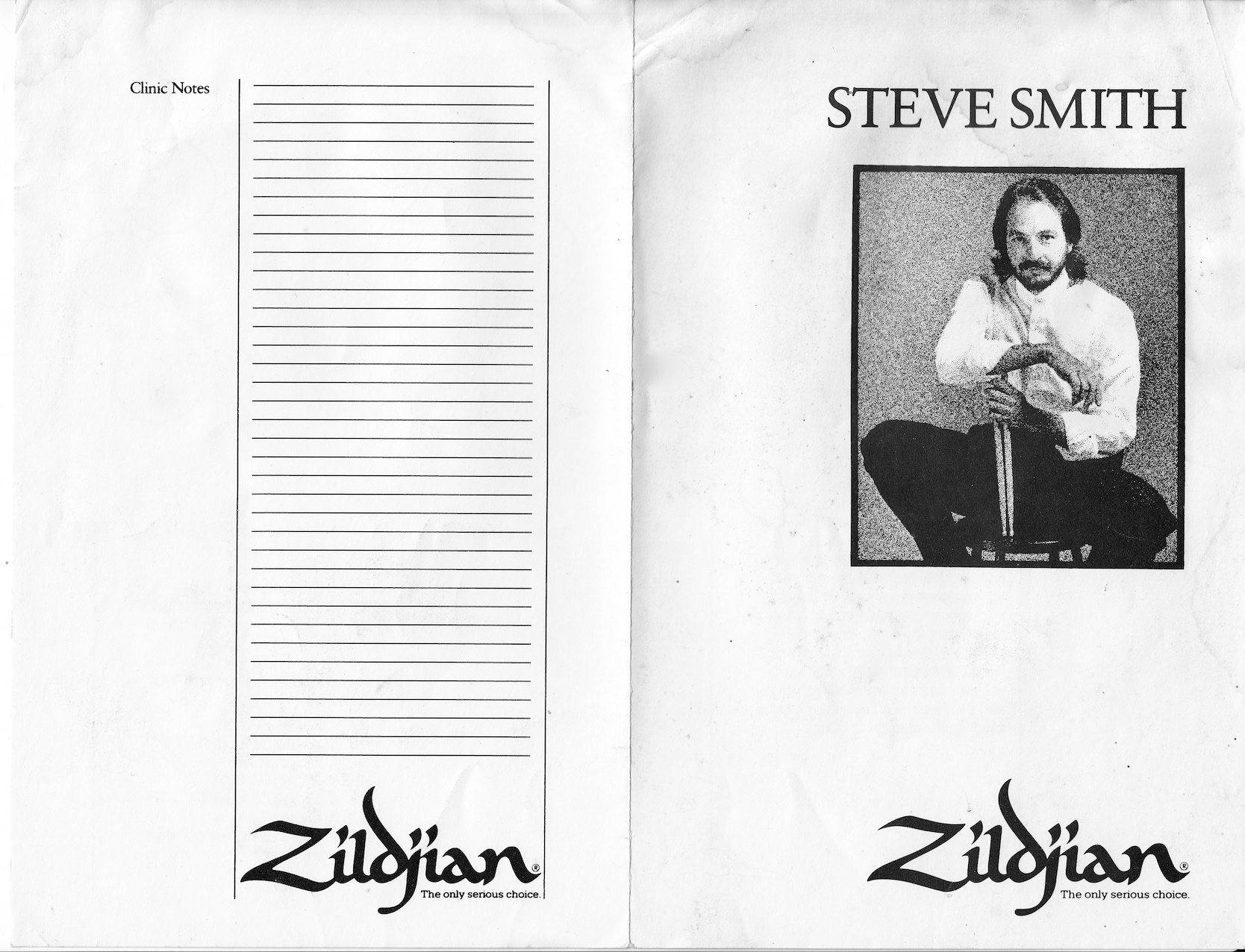

SKF NOTE: One of a series of Zildjian brochures from the 1980s, I believe.
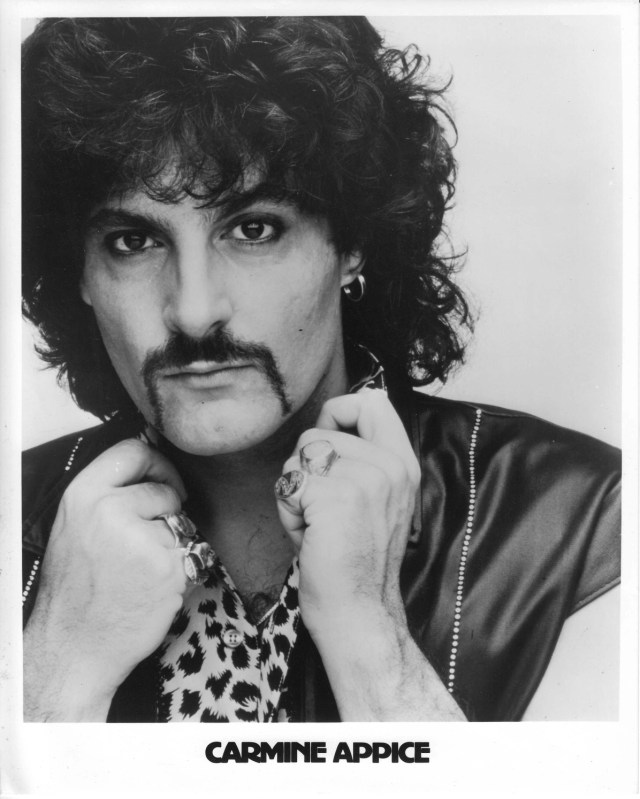
SKF NOTE: When I was 17-years old our garage band, Potter’s Field, covered Vanilla Fudge’s version of, You Keep Me Hangin’ On. That’s my first memory of Carmine Appice.
Ten years later, I met Carmine at a Long Island Drum Center drum clinic, the same day I interviewed him for Modern Drummer magazine. At his clinic, Carmine ventured into drumming territory – i.e. odd-time signature jazz fusion — that surprised and impressed me. And he was very easy to interview.
Now, 50-years after the release of Vanilla Fudge’s first album, Carmine continues performing, writing, and releasing new music. By any measure, that’s a career path most drummers would love having.

Susan Ramsey with students. Photo courtesy of Susan Ramsey
SKF NOTE: I write a weekly column for the Piscataquis Observer, sometimes about music and musicians, such as musician/teacher Susan Ramsey.
=====
A Musician Can Make a Big Difference in a Community
Scott K Fish, Special to the Piscataquis Observer – Sept. 11, 2017
When I first started writing for this newspaper, I browsed the internet for Piscataquis County music teachers, wondering, “Are musicians making a living in Piscataquis? If so, how?”
Turns out, the musician I was looking for is Susan Ramsey. While I discovered, and was impressed with, Foxcroft Academy’s (FA) music programs, I did not connect with Ms. Ramsey until last week. She directs the FA String Program among her several other musical endeavors. And if not for down time needed to mend a knee, Susan and I may have never met.
“Honestly, I run from gig to gig, and this is the longest I’ve been home for, like, two years. I never spend this much time in my house,” she tells me.
I first heard and saw Susan perform on her violin several years ago with Dave Mallett’s band at the Gracie Theater in Bangor. There were moments where she was improvising short melodies in call-and-response fashion to Mr. Mallett’s singing. This is a common interaction with musicians. What stuck with me was that Susan was uncommonly good at inventing memorable music lines.
“David asked me to do some recording on his album, Artist in Me, in 2003, and I reluctantly agreed to it,” Susan said. The recording was fun, but when Mallett asked her to “play a few songs” with him onstage — Susan’s reluctance returned. Her extensive classical music education had not prepared Susan to wing it onstage with a folksinger.


SKF NOTE: Revisiting drummer Paul Wilson’s gravesite for the second time in three years. Wilson, an escaped slave, was part of Company D of the United States 33rd Colored Troops Regiment. He died at age 15 and is buried at the Nombre De Dios cemetery, St. Augustine, FL.
Here is the account of my first finding Paul Wilson‘s grave.
Civil War Drummer Boy’s were communicators. The drums were used to send orders to all troops within earshot of the drummers.

SKF NOTE: Thank you, Franklin Vanderbilt. Economics plus art plus kids equals a positive recipe for success. How can we help?
=====
Lenny Kravitz’s drummer, Franklin Vanderbilt, tries to save Chicago’s kids with music
By Emily DeCiccio, Fox News
What was so crucial in his upbringing, Franklin said, was not only his parents, but also the activities and mentors that kept him busy and focused on his music.
The problem now, …he said, are budgetary cuts to the very programs that cultivated his talent.
“There’s been a subtraction of different programs and opportunities to advance and empower children…you need a way to exercise your mind, and when you take away economics and art, you leave people no choice but to fight,” he said.
“I want to open a performing arts and economics center to bring more opportunity to my neighborhood,” he said. “Put down the guns, let’s pick-up some knowledge. That’s what I want to do for the west side of Chicago.”

Life Beyond the Cymbals
A Blog about Music and Popular Culture
Online Drum Tracks | Drum Recording | Remote Session Drumming | Pro Session Drummer
Life Beyond the Cymbals
Writing About and Reviewing Classical Music and Jazz
Life Beyond the Cymbals
A Drummer's Look at Drums and Drumming


You must be logged in to post a comment.