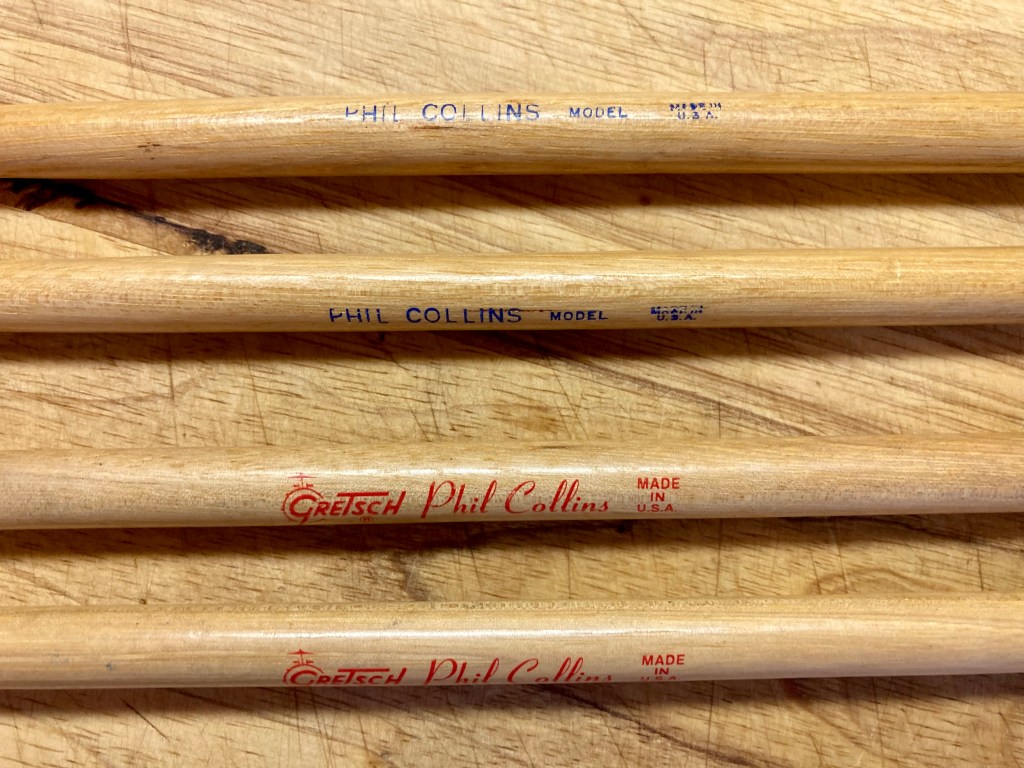
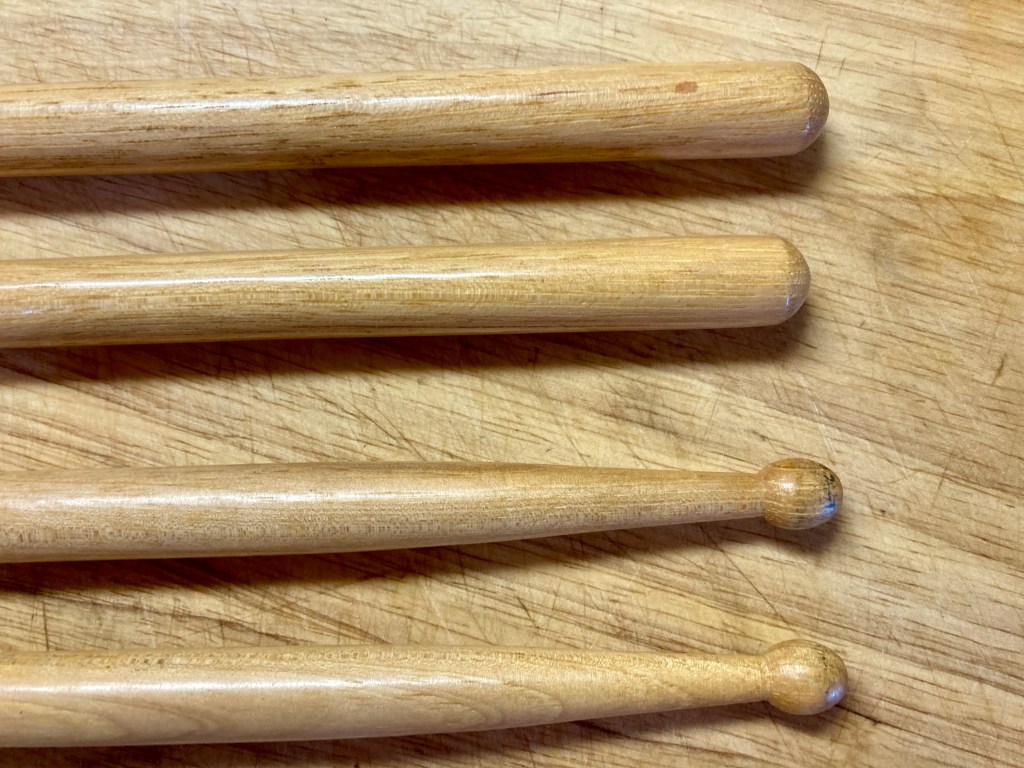
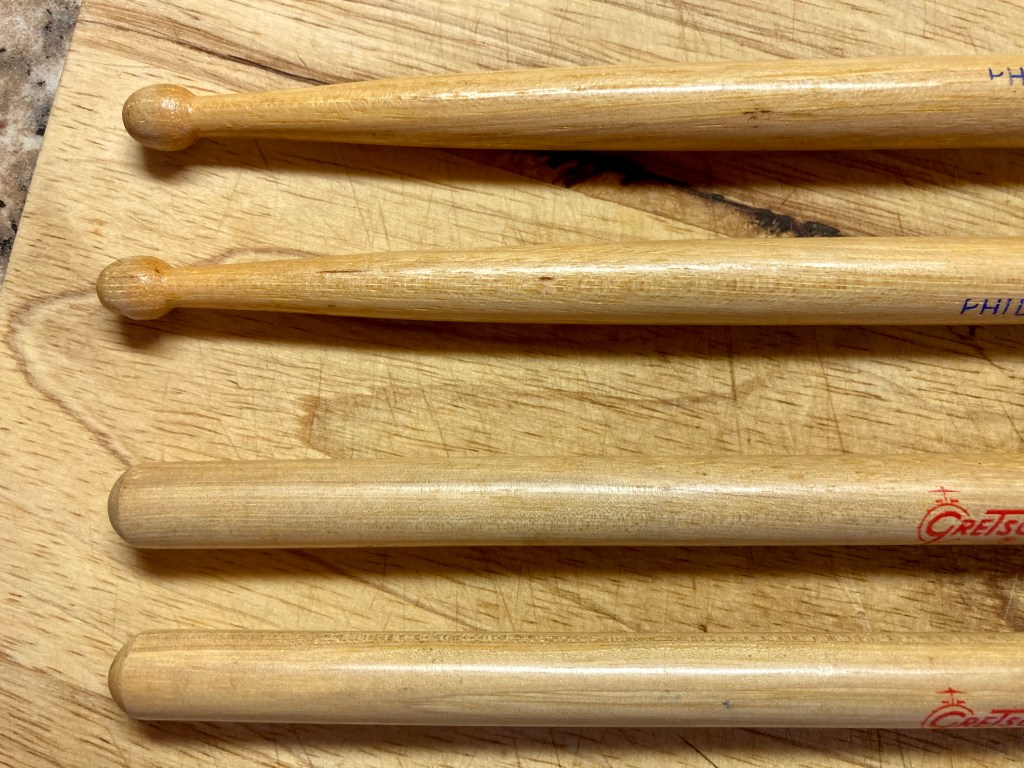
SKF NOTE: Yesterday while repacking my box of assorted drumsticks, I came across these two pair of Phil Collins model sticks.
Here’s what I think they are:
The pair with the Gretsch logo and red lettering is obviously Gretsch’s Phil Collins model drumstick.
The pair with the blue lettering is Gretsch’s prototype of the Collins stick.
For a time, I was a Gretsch sales rep, and the company was coming out with new Gretsch drumsticks of various shapes and sizes. Before the actual Gretsch sticks were available, we sales reps were making sales calls with other brand drumsticks, and no-name drumsticks, said to be just like, or almost just like, the Gretsch models we were awaiting.
Both pair are 14.75 inches long.
I don’t know if they have historical or sentimental value to anyone. If so, please let me know. I wouldn’t mind seeing them go to a good home.
On the other hand, if anyone knows my recollection is w-r-o-n-g, please let me know that too.
SKF NOTE: Here’s an insightful telling, by Woody Herman and Chubby Jackson, of Dave Tough’s impact on Herman’s big band when Tough first joined.
=====
Woody Herman: When our drummer, Cliff Lehman, decided to leave, I decided to bring in Davey Tough, who was working in Charlie Spivak’s band. Chubby [Jackson] flipped out when I told him. He and some of the other guys in the band remembered him as the drummer with Tommy Dorsey a few years earlier, and they felt Davey wasn’t a modern-enough player. Also, they were all in their twenties, and Tough was older.
“I don’t think that’s what we need,” Chubby told me. “We need a little sweetie who’s gonna help the band.”
“This guy Tough is very special,” I said, but Chubby was unconvinced.
The day after Davey joined the band, Chubby came to me raving.
Chubby Jackson recall:
I had made the biggest mistake in the world, because I became acquainted with one of the better generals of rhythm thinking. Dave Tough was totally brilliant. He tuned the drums to certain notes; he didn’t believe in metronomical time; he thought we should move. Flip was right down the middle, so we stayed with him. Sonny Herman used to play behind the beat, so we’d cool under him. And Bill Harris played on top of the beat, so we’d go with him. But when it was ensemble it was Davey and myself. He insisted that I stand right next to him so I could watch his foot pedal and the movement of his hands. I learned an awful lot from Dave.
SKF NOTE: Again, in reviewing boxes of stuff in preparation for a move I discovered a stack of Neil Peart/Scott K Fish correspondence held together with a tan rubber band.
It’s clear from Neil’s letter I was living in Washington, CT, working full-time as a caretaker of the CT home of film and theater director, producer, actor, and comedian Mike Nichols.
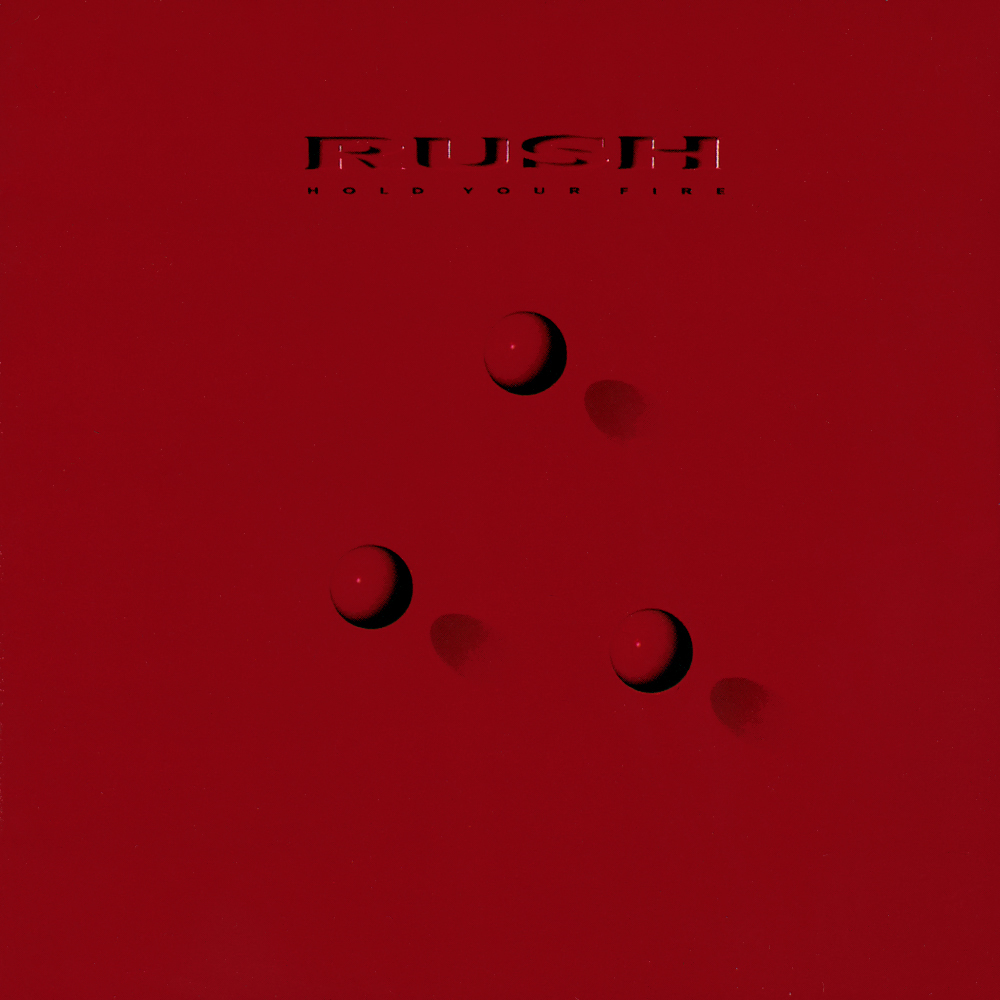
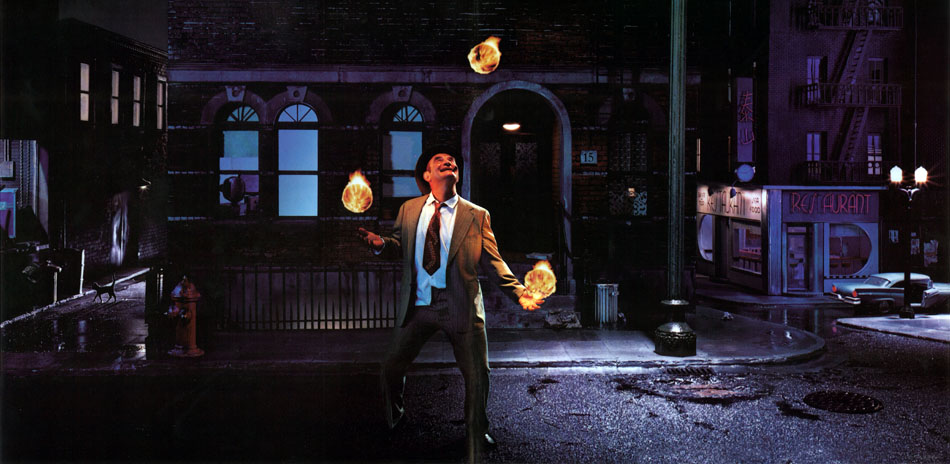
Neil must have been working on Rush’s “Hold Your Fire” album. It’s interesting to read of his struggles as “Art Direction Director” on putting together the album cover. He doesn’t say, but do we suppose the budget busting was the inside or the outside album cover?
In either case, I enjoy this look here at the attention-to—detail side of Neil’s personality.
=====
McClear Place Studio Toronto, March 31 / ’87
Dear Scott –
[T]his day has been kind of strange and stressful. I’m engrossed in my role as “Art Direction Director,” dealing with matters pertaining to the album cover, and trying to justify to the other guys and our manager an extravagantly high budget for the cover.
Our Art Director Hugh Syme and I generally collaborate on the ideas and the detail work of that projects. It’s hard enough getting everyone to agree on the title, and then on the cover ideas, and the “Battle of the Budget.”
Of course, it’s only to try and do something really great, and we can afford it, so hey – what’s the problem? – let’s just do it! I suppose that’s one of the weaknesses of democracy. Action is slow and consensus-bound.
I hate having to explain and justify these things, I just like to go ahead and do whatever seems best. I think there is a parallel in some of the things you went through with MD. In my mind I just want to decide the best thing to do, and put it in action, without having to present it to a committee for ratification. That’s definitely one good thing about being “just” a writer (or a caretaker?), at least you don’t have to answer to anybody about what you want to create (except perhaps the landlord – in either case!)
SKF NOTE: Andrae Crouch, The Winans, Freddie Hubbard, Koinonia — Bill Maxwell’s work as drummer and producer is among the best. Bill first came to my attention through my ears in 1981. No pre-judging on my part.
Introducing The Winans arrived as a new album release on my Modern Drummer desk in 1981. I listened to Introducing…. on a marginal stereo system in my rooming house residence — and the music grabbed me immediately. Everything about that album was first class: the Winans, the songs, the arranging, the musicianship, and the production.
The drummer and producer was a name new to me: Bill Maxwell.
Long story short, after listening and loving a few more albums with Bill Maxwell producing and/or drumming, Bill stopped by Modern Drummer on August 17, 1982 for a feature interview, published in the August 1983 issue.
This is my first audio excerpt from Maxwell’s interview. It starts at the beginning of our conversation with me asking Bill how he went from bar band drummer to Grammy Award winning record producer for the great contemporary Christian musician Andrae Crouch.
SKF NOTE: Drummer Bill Goodwin wrote an endorsement of drum teacher Freddy Gruber on April 1, 1983 and mailed it to Modern Drummer Publisher Ron Spagnardi. The “article” Goodwin refers to was my upcoming interview with Gruber.
I was delighted yesterday to uncover in a box of papers, Goodwin’s handwritten letter and typed endorsement. Gruber can never have too many endorsers. Despite the first-hand accounts from Neil Peart, Jim Keltner, Jim Chapin, Steve Smith, and longtime Gruber student Neal Sausen, Gruber’s skeptics live on.
“Freddy came and sat with me and told me one thing about my left hand, a simple thumb position change. Well, all I can say is that he was right because that one thing was the key to all the progress of a technical nature that I achieved from that point on. I think he knows more about the physical, mechanical aspect of drumming than anyone. Also the spiritual aspect and the combination of the two which can create great music.”
Here’s a typewriter version of Goodwin’s letter for readers who may have trouble reading his script handwriting:
Dear Ron –
I understand that MD may do an article about FREDDY GRUBER so I wanted to contribute something for the same and also encourage you to do it. He has been an enormous influence on so many fine drummers.
I am currently director/president of OMNISOUND RECORDS as well as continuing as member of the Phil Woods Qt. / Phil Woods Big Band and my own group Bill Goodwin’s Solar Energy. I still enjoy reading MD too. Keep up the wonderful work.
Best, BG
That’s it. Thank you, Bill Goodwin for your insightful addition to Freddy Gruber’s drumming legacy.




 Scott K Fish
You must be logged in to post a comment.