SKF NOTE: Frankie Dunlop agreed to a feature interview for Modern Drummer magazine, which was published in 1984. I didn’t know at the time my interview sessions with Frankie would be his only full-length interview. Now, 30 plus years later I am digitizing Frankie’s interview. Here is a second brief excerpt, part of a longer interview session taped in my living room in Washington, CT on December 13, 1984.
There are three voices on this excerpt. I ask the opening question. Most of the audio is Frankie Dunlop. My landlord at the time, Jack Jackson, was present for this interview session, sometimes joined the conversation, and is heard laughing during this segment.
Also, listeners will hear, probably for the first time, Frankie Dunlop mimicking Thelonious Monk’s voice. Throughout our interview sessions, Frankie — who was an exceptional mime — became Monk, Charles Mingus, Sonny Rollins. I am very glad to be able to share that part of Frankie Dunlop.
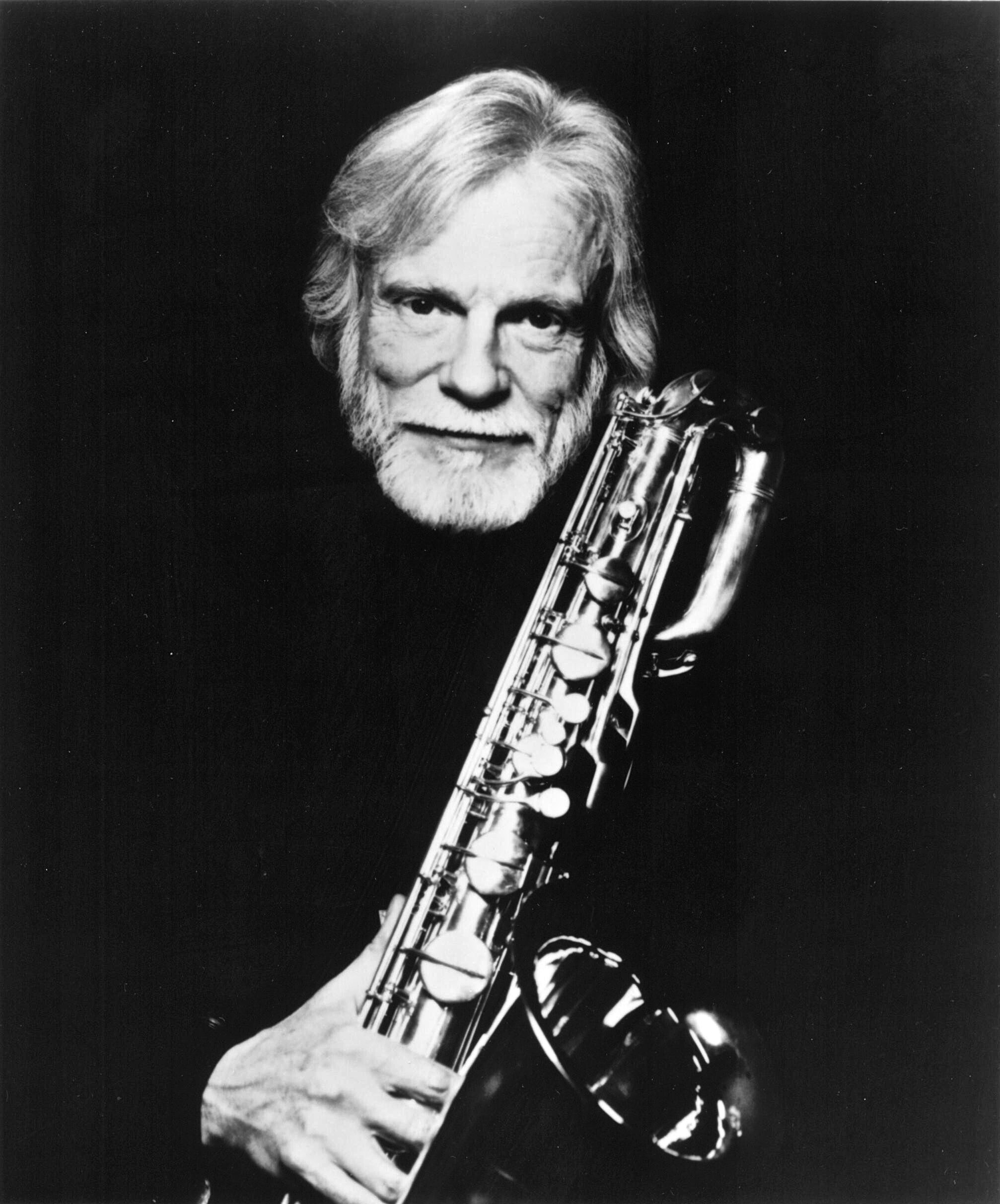
Gerry Mulligan: “We lose track of what music is supposed to be about. The primary function of music is not for the listener, nor the dancer. It’s for the person who is making it. That’s the first function of music.”
SKF NOTE: Freddie Waits is the drummer on Martha and the Vandellas’ Dancing in the Street? Neither had I seen Freddie Waits spoken of as one of Motown’s legendary “Funk Brothers.” I learn something everyday. Here is a snippet of Marc Myers’s ARTS ANATOMY OF A SONG from the Wall Street Journal (Nov. 1, 2016).
When Martha and the Vandellas’ “Dancing in the Street” was released on July 31, 1964, the single was unlike anything Motown had ever produced: funkier, with a throbbing bass line and explosive drum shots on the [back] beats.
Recently, Mr. Hunter, Mr. Stevenson, arranger Paul Riser and lead singer Martha Reeves recalled the song’s evolution.
Ivy Jo Hunter (songwriter): In early 1964, I had just joined Motown as a songwriter. I knew how to create chords and rhythms on the piano but [couldn’t] play them together with melodies.
I often started songs by playing a bass line on the keyboard. As I played this one, I stuck to a single note, rocking my pinky and thumb back and forth an octave apart. I came up with this pulsating figure, starting with the higher note.
…I came up with a melody and chords…. [Then] I went to find Paul Riser….
Paul Riser (Motown arranger): My job was to enhance and expand [Ivy’s] ideas…for the song.
…I…created a skeleton chord sheet for the Funk Brothers — Motown’s house rhythm section. If you gave them the basics of what you wanted, they would invent something extraordinary.
[W]e brought the rhythm section into the studio: Earl Van Dyke on keyboards, guitarist Robert White, bassist James Jamerson and drummer Freddie Waits. The drums and bass were most important, …they always set the feel for a Motown song.
Mr. Hunter: The goal was…a [taped] rhythm track…I could listen to while writing lyrics. The Funk Brothers played the music…Paul had written…and then did their thing and locked it in the pocket. Wow, they always came up with something great.
Most Motown songs were based on the Charleston. This song was more like a freight train with a heavy backbeat.
William “Mickey” Stevenson (co-writer/producer): I overdubbed some percussion, including the claves…on the off-beats and a tambourine hit hard by Jack Ashford with a drum stick on the second and fourth beats to add snap.
To make the tambourine sound even bigger, I fed the track through our echo chamber, which was a hole in the bathroom wall. By re-recording the tambourine track bouncing off that tile wall, we got a bigger dance beat.
Marc Myers is the author of “Anatomy of a Song: The Oral History of 45 Iconic Hits That Changed Rock, R&B and Pop” (Grove), based on The Wall Street Journal column
SKF NOTE: Frankie Dunlop agreed to a feature interview for Modern Drummer magazine, which was published in 1984. I didn’t know at the time my interview sessions with Frankie would be his only full-length interview. Now, 30 plus years later I am digitizing Frankie’s interview. Here is a brief excerpt, part of a longer interview session taped in my living room in Washington, CT on December 13, 1984.
Grateful Dead Drummer Mickey Hart to Reissue 1991 World Music Classic Planet Drum
Speaking about Planet Drum, Hart said, “This experience was about people wanting to come together – folks weren’t culturally bound by their rhythms; they were in the right place at the right time for a new gumbo, a new way of coming together, egoless, in the spirit, to have fun and record a classic 20th century gamelan, which has always been the carrot for me. I always wanted to ring that bell.”
You must be logged in to post a comment.